Forget the Fancy Tin: Why Pro Kitchens Are Quietly Downgrading Their Paprika (And Winning)
There's a certain kind of food person — you probably know one, maybe you are one — who treats a tin of imported Hungarian paprika like a sacred object. The embossed lid, the origin story, the price tag that makes you wince just a little at checkout. It feels like the right move. Premium ingredient, premium result, right?
Except something weird is happening in professional kitchens across the country. Chefs who used to swear by heritage imports are quietly swapping them out for mid-tier brands. Not as a budget cut. Not because they stopped caring. Because the mid-range stuff is actually performing better.
Yeah. Let that sit for a second.
The Economics of a Spice That Goes Stale Fast
Here's the thing nobody talks about when you're standing in the spice aisle admiring that gorgeous tin of Kalocsa-region sweet paprika: paprika is fragile. Genuinely, almost aggressively perishable compared to most dried spices. The volatile oils that give it color, aroma, and that warm, round flavor start degrading the moment the package is opened — and they've often been degrading long before that, depending on how the product was stored during shipping and retail.
Premium paprika from a small Hungarian farm is incredible at the source. But by the time it's been harvested, dried, milled, packaged, exported, warehoused, shipped to a US distributor, stored again, shipped to a retailer, and finally shelved — sometimes for months — you're not always getting what you paid for. The price reflects the origin and the craftsmanship. The flavor reflects the journey.
Mid-range domestic and Spanish brands, meanwhile, often move faster through the supply chain. Higher turnover means fresher stock. And fresher stock wins almost every time.
What Working Chefs Actually Said
Talk to enough line cooks and sous chefs and you start hearing the same story. A chef running a busy Spanish-American restaurant in Chicago described switching from a boutique pimentón to a commercial Spanish brand about two years ago. The boutique stuff was sitting in their storage room for too long between orders. The commercial brand came in smaller quantities, more frequently, and tasted noticeably brighter.
"I used to think I was doing the right thing by sourcing the expensive stuff," she said. "But freshness is the whole game with paprika. A fresh mid-range jar smokes a stale premium one every single time."
A New York-based caterer who goes through paprika in serious volume made a similar call. He started buying from a regional spice house that sources in smaller batches rather than a high-end importer. The price per ounce dropped. The flavor intensity went up. He hasn't looked back.
This isn't universal — there are absolutely scenarios where a truly excellent heritage paprika, properly stored and recently milled, is worth every penny. But those scenarios are rarer than the marketing suggests.
The Three Factors That Actually Drive Paprika Flavor
If price isn't the main predictor of quality, what is? Chefs and spice professionals tend to agree on three variables that matter far more than the label.
Freshness at time of purchase. This is the big one. Paprika older than 12 months — even if it's technically shelf-stable — is going to taste flat. Look for a packed-on or best-by date. If there isn't one, that's already a red flag. Smaller specialty spice retailers and online spice shops that roast or mill to order are often the best bet for genuinely fresh product, regardless of price point.
Storage conditions. Heat, light, and air are paprika's enemies. A premium jar stored next to the stove in a sunny kitchen is going to degrade faster than a budget jar kept in a cool, dark cabinet. Chefs who buy in bulk often store paprika in sealed containers in a cool dry space — sometimes even the walk-in cooler. At home, a dark pantry shelf or even the fridge works well.
Application method. Paprika needs fat and heat to fully bloom. Dumping it into a water-based dish at the wrong time is going to flatten the flavor no matter what you spent. Blooming it briefly in oil or butter before adding other ingredients releases the fat-soluble compounds that carry most of its flavor. A mid-range paprika applied correctly will outperform an expensive one added carelessly, every single time.
So Should You Stop Buying Premium?
Not necessarily. The case here isn't that expensive paprika is a scam — it's that price alone is a lazy shortcut for evaluating quality. A heritage paprika that's fresh, properly stored, and used well is genuinely special. But those conditions are harder to guarantee than most people realize.
The smarter move is to think like the chefs who've made this switch. Buy smaller quantities more frequently rather than hoarding a big tin. Prioritize freshness data over origin story. Learn to bloom your paprika properly regardless of what brand you're using. And don't be embarrassed to grab the mid-range jar if it came in last week and the fancy one has been sitting on the shelf since before the holidays.
The $5 jar that's fresh is going to cook circles around the $18 jar that's been slowly dying in your cabinet. That's not a knock on premium paprika. That's just how spices work.
A Quick Field Test You Can Run Right Now
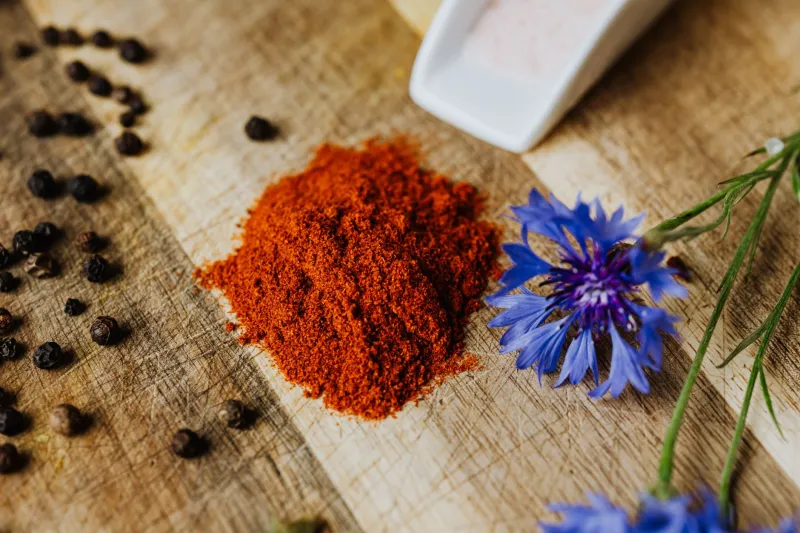
Open whatever paprika you have. Smell it. It should hit you immediately — warm, slightly sweet, faintly earthy, with a color that looks vivid rather than brownish. If it smells like nothing much, or if the color looks dull and rust-toned, it's past its prime. Doesn't matter what you paid for it.
Now go buy a fresh jar — whatever's available and recently stocked. Bloom a teaspoon of it in a little olive oil over medium heat for about 30 seconds. Smell that. That's what paprika is supposed to smell like. That's what it's supposed to do in your food.
Freshness is the flex. Everything else is just packaging.