Why Dumping More Paprika Into Your Pan Is Quietly Killing Your Dish's Flavor
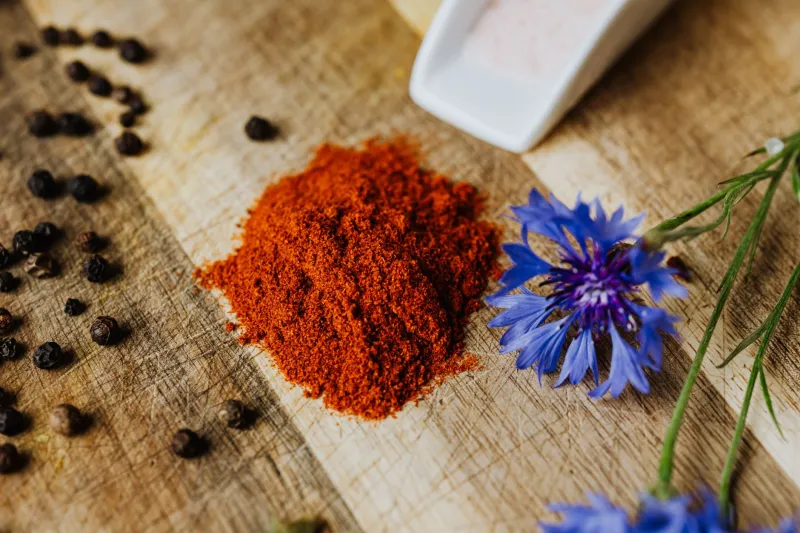
There's a moment most home cooks know well. You taste something mid-cook, decide it needs more punch, and reach for the paprika. You shake in a generous pour. You taste again. And somehow — bafflingly — it tastes less interesting than before. Flatter. Almost muted.
You're not imagining it. What just happened has a name, and understanding it might be the single most useful thing you learn about cooking with spice.
The Flavor Suppression Nobody Talks About
Paprika is a compound spice in disguise. Even a basic sweet Hungarian variety carries dozens of volatile aromatic molecules — carotenoids, capsaicinoids, and a range of earthy, fruity, slightly bitter compounds that interact with everything else in your pan. At moderate levels, those compounds amplify surrounding flavors. They act almost like a seasoning multiplier, making your onions taste more oniony, your chicken taste more savory, your sauce taste rounder.
But cross a certain threshold and the dynamic flips. The bitter compounds in paprika — especially in smoked or hot varieties — start to compete with and suppress other flavors rather than enhance them. Your palate, meanwhile, is being hit with so much capsaicin-adjacent stimulation that it can no longer cleanly distinguish the subtler notes underneath. The result? Everything collapses into a single aggressive, one-dimensional red blur.
Food scientists call this sensory masking, and it's not unique to paprika. But paprika is particularly sneaky about triggering it because the spice looks so harmless in the jar. It's not cayenne. It doesn't scorch your sinuses. So home cooks add it freely, assuming more is always better. It isn't.
So What's the Actual Threshold?
This varies by dish, cooking method, and paprika type — but here are some working guidelines that hold up across most home-kitchen scenarios:
- Sweet paprika: Up to about 1½ teaspoons per pound of protein adds complexity without overwhelming. Beyond 2 teaspoons, you start losing the layered effect.
- Smoked paprika: This one is potent. Half a teaspoon per pound is often enough. A full teaspoon is bold but manageable. Go past that and the smokiness turns acrid rather than deep.
- Hot paprika: Treat it like cayenne's mellower cousin — start at ¼ teaspoon and build slowly. Heat accumulates, and there's no walking it back.
These aren't hard rules, but they're a solid starting point. More importantly, they give you a mental framework: paprika has a ceiling, and your job is to stay below it while extracting maximum flavor.
The Bloom Technique Changes Everything
Here's where most home cooks lose serious flavor without knowing it. They add paprika to a finished dish, or sprinkle it over food right before serving. That approach delivers almost none of paprika's actual depth.
The technique that unlocks the spice is called blooming, and it's non-negotiable if you want real results. Before adding your other ingredients, heat oil or butter in the pan over medium heat, then add your paprika directly to the fat. Stir constantly for 30 to 60 seconds. The fat acts as a solvent for paprika's fat-soluble flavor compounds, pulling them out of the ground pepper and dispersing them through your entire dish rather than leaving them sitting on the surface.
The difference in a before-and-after taste test is startling. Bloomed paprika in a simple chicken dish tastes almost smoky, complex, and layered. The same amount added dry to the same dish at the end tastes like colored dust. Same spice, completely different outcome.
Building Heat Without Erasing Complexity
If your goal is a spicier dish — not just a more paprika-forward one — the strategy is to layer rather than pile on. Here's a practical approach:
- Start with sweet paprika as your base. Bloom 1 teaspoon in oil with your aromatics. This builds flavor infrastructure.
- Add heat incrementally with hot paprika or a pinch of cayenne. Add it after the sweet paprika has bloomed, stirring it into the already-fragrant oil for another 20 seconds.
- Finish with smoked paprika off heat. A small amount — like ¼ teaspoon — stirred in after you pull the pan off the burner adds a backnote of depth without bitterness from overcooking.
This three-layer method keeps complexity intact while letting you dial heat up or down at will. You're not fighting against sensory masking because no single paprika variety is dominant enough to trigger it.
The Acid Reset
One more tool worth knowing: acid cuts through paprika overload. If you've already gone too far — the dish tastes one-dimensional and aggressively spiced — a small squeeze of lemon juice or a splash of sherry vinegar can physically interrupt some of the capsaicin binding in your mouth and on the palate. It won't undo the damage entirely, but it can bring other flavors back into focus.
Sour cream does something similar in Eastern European paprika-heavy dishes like goulash. That's not an accident. The fat and lactic acid in sour cream physically modulate how your tongue reads the spice, which is why a dish that tastes overwhelming straight from the pot suddenly becomes balanced with a dollop on top.
The Takeaway
Paprika is one of the most rewarding spices in your kitchen — but it rewards restraint and technique more than generosity. The cooks who get the most out of it aren't the ones who use the most. They're the ones who understand when to stop, how to coax flavor from fat, and how to layer complexity instead of stacking heat.
Next time the dish tastes flat, resist the reflex to add more. Try blooming what you've already got instead. You might be surprised how much flavor was already there, just waiting to be unlocked.