When Paprika Helps and When It Hurts: The Rules That Actually Govern This Spice
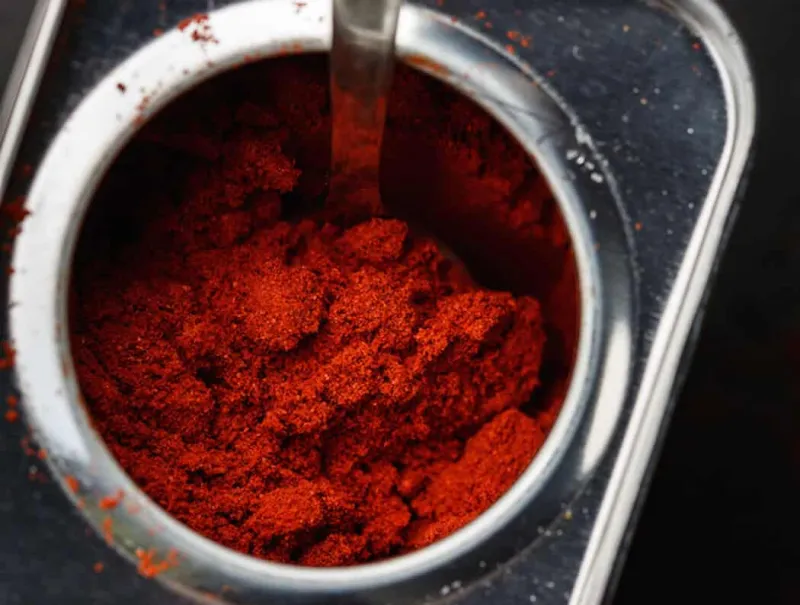
Photo: paprika spice blooming in hot oil skillet close up, via www.spiceography.com
There's a move a lot of home cooks make when a dish feels like it's missing something: reach for the paprika and shake a little more in. Sometimes it works. Sometimes the dish goes sideways — dull, slightly acrid, weirdly one-dimensional. And the frustrating part is that both outcomes can happen with the exact same spice, the exact same recipe, and what feels like the exact same technique.
So what's actually going on?
Paprika is one of the more behaviorally complex spices in your cabinet. It's not a set-it-and-forget-it situation. The flavor it contributes — and whether that flavor is vibrant or muted or actively unpleasant — depends on a handful of variables that most recipes don't bother to explain. Once you understand those variables, you stop guessing and start making confident calls.
The Fat Factor: Why Oil Is Paprika's Best Friend
Let's start with the most important one. Paprika's primary flavor and color compounds — carotenoids and a group of fat-soluble pigments — are not water soluble. They're fat soluble. That distinction matters more than almost anything else.
When you bloom paprika in a hot fat (butter, olive oil, lard, even bacon drippings), those compounds release into the fat and distribute through your dish. The result is deep, saturated color and a flavor that feels integrated — like it belongs in the dish rather than sitting on top of it.
When you add paprika to a watery environment — a thin broth, a marinade that's mostly citrus juice, or directly onto wet proteins without any fat present — you're essentially asking it to dissolve in something it can't fully dissolve in. The color stays patchy. The flavor stays shallow. And if you compensate by adding even more paprika to a water-forward dish, you often just amplify the problem.
This is the first case where more paprika actively doesn't help: adding volume without adding fat to carry it.
Temperature Is Everything (And It Cuts Both Ways)
Heat unlocks paprika. That's the short version. The longer version is that heat does a specific job — it volatilizes the aromatic compounds and drives the flavor deeper into whatever you're cooking. A brief, controlled bloom in hot oil is one of the most effective flavor moves you can make with this spice.
But temperature also destroys paprika. Sustained high heat — especially in a dry pan, or when the spice hits a surface without fat to buffer it — burns the sugars and volatile oils that make paprika taste good. What's left behind is bitter, acrid, and darker than it should be. You've tasted this before, even if you didn't know what caused it. It's that slightly harsh edge that makes a dish feel heavy rather than bold.
So the relationship with heat is not linear. A little heat at the right moment amplifies paprika dramatically. Too much heat, or heat without fat, degrades it just as dramatically. And adding more paprika to a dish where the existing paprika has already scorched doesn't fix the bitterness — it just adds more of it.
The practical rule: bloom your paprika in fat over medium heat, not screaming high heat. Pull the pan off the burner for a moment if you need to. Give the spice a few seconds to sizzle gently before adding other ingredients.
Timing Changes the Flavor Profile Entirely
Here's something that surprises a lot of cooks: paprika added at the beginning of cooking and paprika added at the end of cooking are, functionally, almost different ingredients in terms of what they contribute.
Early-stage paprika — bloomed in oil at the start, cooked into the base of a braise or stew — mellows and deepens. It becomes part of the dish's backbone. The sharper, more volatile notes cook off, and what remains is a rounded, almost earthy sweetness (or slow-building heat, depending on the variety). Hungarian goulash depends on this. So does a good chicken paprikash. The paprika isn't a finishing accent; it's structural.
Late-stage paprika — stirred in right before serving, used as a garnish, or added to a cold preparation — keeps its brightness. The volatile aromatics haven't cooked off, so you get more of that raw, slightly grassy, peppery edge. This works beautifully as a finishing move on deviled eggs, roasted vegetables, or a simple yogurt dip. It adds lift and visual punch.
The mistake is treating these two applications as interchangeable. If you want depth, you add paprika early and let it cook. If you want brightness, you hold some back and add it late. If you want both — and often you do — you split the difference and use paprika at two stages.
Adding more paprika at only one stage, expecting it to do the work of both, is where dishes start to taste unbalanced.
When More Actually Is More
None of this means you should be stingy. There are absolutely situations where paprika rewards a heavy hand.
Spice rubs for proteins going on a grill or into a high-heat oven are a prime example. Here, paprika does double duty: it contributes flavor, yes, but it also helps form that gorgeous, slightly lacquered crust that makes grilled chicken or smoked ribs look as good as they taste. The Maillard reaction — the browning process that creates complex, savory flavors — is accelerated by the sugars in paprika. More paprika in a dry rub means more crust, more color, more of that smoky-sweet depth on the exterior. In this context, a tablespoon or two per pound of protein isn't overkill.
Paprika-heavy sauces and soups also benefit from volume, provided the fat and heat conditions are right. A proper romesco, a shakshuka base, a slow-cooked sofrito — these dishes use paprika in quantities that would seem aggressive in other contexts, but the long cook time and fat content absorb and integrate the spice in a way that makes it taste balanced rather than overwhelming.
The key variable is always whether the cooking environment can handle and distribute what you're adding. Fat-rich, slow-cooked, or high-surface-area applications can absorb more paprika and convert it into complexity. Thin, fast, or water-forward applications hit a ceiling quickly.
A Simple Framework for Confident Decisions
Before you reach for the jar, ask yourself three questions:
Is there enough fat in this dish to carry the paprika? If not, add fat before you add more spice.
What stage of cooking am I at? Early means depth; late means brightness. Decide which one you need.
What's the heat situation? If your pan is smoking or your liquid is evaporating fast, dial back the heat before you add paprika — not after.
If all three conditions are favorable, go ahead and be generous. Paprika is not a spice that rewards timidity when the conditions are right. But when the conditions aren't right, more is genuinely worse — not just less effective, but actively counterproductive.
That's the paradox resolved: paprika isn't unpredictable. It just has rules. Learn the rules, and you'll know exactly when to pile it on and when to hold back.