Five Basements, One Verdict: Chasing My Grandmother's Chicken Paprikash Through Ohio's Church Suppers
Photo: Mennonite Church USA Archives, No restrictions, via Wikimedia Commons
The Test Was Simple
My grandmother, Ilonka, came over from Szeged in 1952 and made chicken paprikash the way some people pray — regularly, without notes, and with total conviction. She died in 2011, and I've spent over a decade chasing her version in restaurants and mostly being disappointed.
So this fall I set a rule: no restaurants. Only Hungarian-American church suppers, parish fundraisers, and community halls — the places where the food is cooked by women in their seventies who learned from their grandmothers. Five stops, mostly in Ohio's Hungarian belt. One question: does anyone still make it right?
Stop One: Cleveland's West Side — Close, But Not Quite
A parish hall with a 200-person waiting list and a goulash-to-paprikash ratio of about three to one. The paprikash was competent — golden, creamy, generously portioned. But the paprika was sweet and shy, added timidly at the end, and the sauce leaned on sour cream the way a struggling band leans on the drummer.
My grandmother would have called this "paprika soup for Americans." Kind, but accurate.
Stop Two: Toledo — The Onions Were the Star
Here the cook, a retired machinist named Lajos, understood something most people miss: paprikash is an onion dish. He cooked down four pounds of onions for a 40-quart pot until they were amber and jammy, then added the paprika off the heat so it bloomed without scorching.
The chicken was good. The sauce was very good. But he finished it with a roux for body, which Ilonka would have considered cheating. Still — Lajos got a nod of respect. The technique was sound; the shortcuts were American.
Stop Three: Youngstown — Overthinking It
A newer generation running this fundraiser had "elevated" things: braised short rib paprikash, a paprikash risotto, a deconstructed something. It was tasty. It was also not paprikash, in the way a hot dog pizza is not a hot dog.
The point of this dish is that it's not fancy. Chicken, onion, paprika, sour cream, noodles. Fussing with it misses the assignment.
Stop Four: Columbus — Good, But Wrong Seasoning
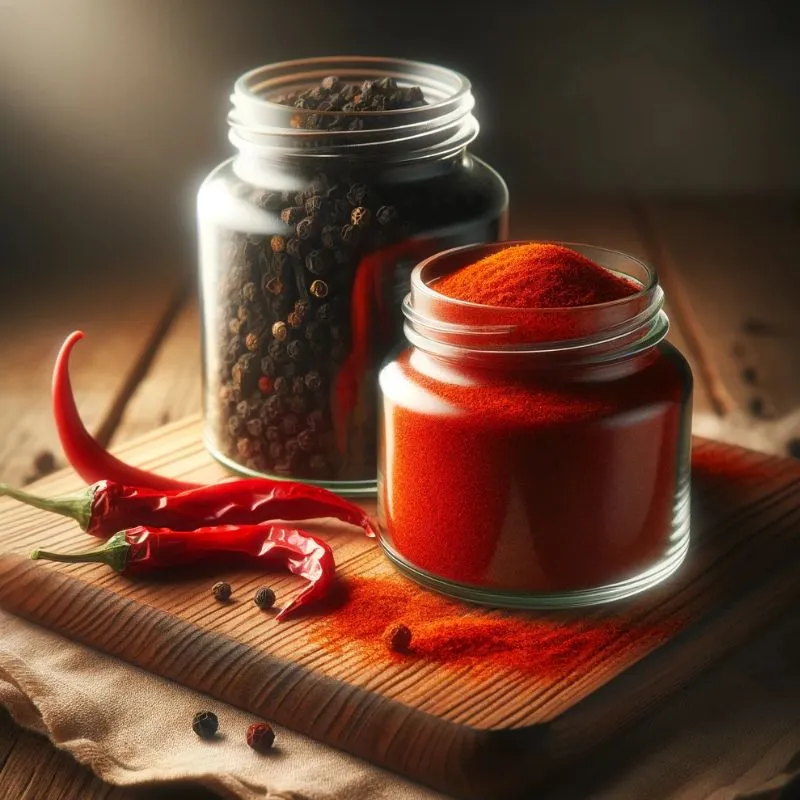
Solid, honest paprikash with properly browned chicken and a sauce the color of terracotta. But the cook used a supermarket paprika blend from a bulk supplier, and it showed — flat, slightly dusty, the flavor of a jar opened two years ago. This is the quiet tragedy of most American paprikash: technique is fine, ingredient is dead.
Stop Five: A Small Town Outside Toledo — There It Was
St. Stephen's Hungarian Church in a town I'd never heard of. Annual fall dinner, $15 a plate, served family style by volunteers. And the paprikash — I stopped chewing when I tasted it.
Everything was where Ilonka put it. Onions cooked until they surrendered. Paprika bloomed in the fat until the whole pot turned the color of a late sunset. Chicken simmered until the meat barely held together. Sour cream tempered in slowly, never boiled. And a paprika with actual aroma — I asked, and the cook's family buys Hungarian sweet paprika from a specialty shop in Cleveland, in tins, replaced every few months.
She was 78. She learned from her mother, who learned in Hungary. When I told her it reminded me of my grandmother's, she waved a hand and said, "It's not my recipe. It's everybody's. That's the problem — nobody's writing it down."
The Case for the Basement
Here's what five suppers taught me: American restaurant food is built to change, and church basement food is built to stay. No restaurant can survive serving the same dish for sixty years. A parish supper can — and does, and the result is a living archive of Hungarian cooking that no cookbook has fully captured.
These cooks are in their seventies and eighties. The suppers are often the parish's main fundraiser, and the parishes are shrinking. When the cook retires and nobody steps up, a recipe chain that runs back to Szeged or Budapest just... ends.
What You Can Do
- Go to one of these suppers. Search Hungarian Reformed, Catholic, or Calvinist churches in your region for fall dinners and kielbasa fundraisers. Bring cash and a to-go container.
- Ask for the recipe. Many cooks will share — especially if you compliment the onions.
- Buy the good paprika. If the dish tastes flat, it's usually the jar, not the cook.
- Write it down. If someone in your family makes this dish without a recipe, sit next to them and take notes. Measurements, timing, everything.
Ilonka never wrote hers down. I've reconstructed it over years of failures, and the St. Stephen's version is the closest I've tasted. My grandmother would approve of exactly one plate on this journey — and she'd probably also tell the cook the noodles were slightly overdone.
Some things you can't fix from the great beyond. But the paprikash? That, we can save.