Peppers in the High Desert: The Quiet Race to Grow Paprika on American Dirt

Photo: Nikolay Omonov, CC BY-SA 4.0, via Wikimedia Commons
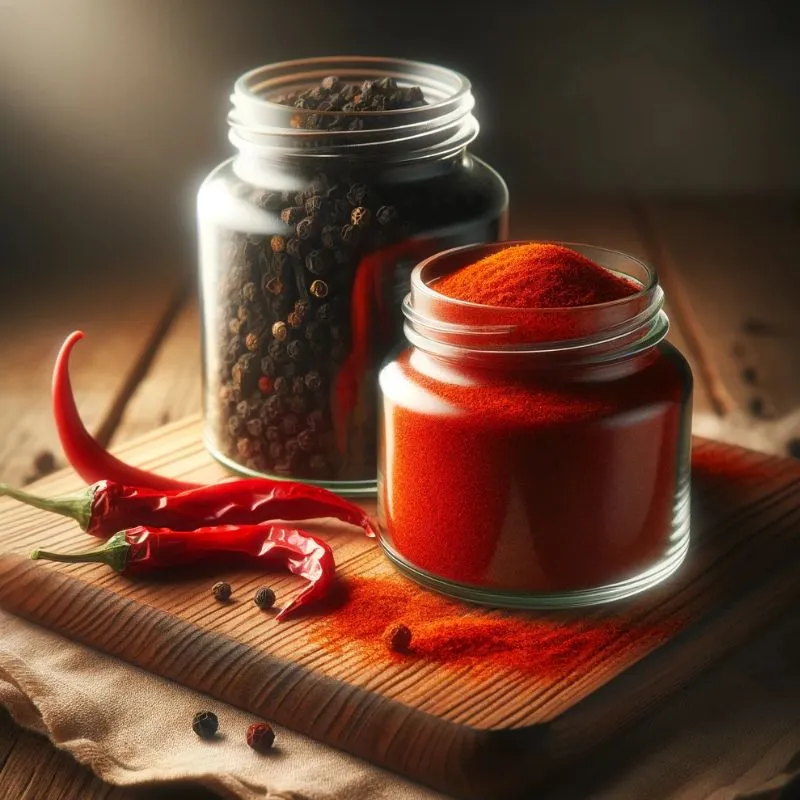
The paprika in your pantry almost certainly isn't American. Spain, Hungary, and increasingly China dominate global production, and the import numbers are staggering — the US brings in tens of millions of pounds of dried chile and paprika products every year. But drive through the Rio Grande Valley in late September, and you'll find something unexpected: rows of deep-red peppers ripening under the New Mexico sun, destined not for chile powder or ristras, but for paprika.
We spent time with the growers, millers, and seed breeders trying to build a domestic paprika industry from scratch. What we found was part agricultural bet, part labor of love.
Why Here, Why Now
The high desert of southern New Mexico checks nearly every box a paprika pepper could ask for: hot days, cool nights, low humidity (which keeps fungus and rot at bay during drying), and sandy loam soil that drains fast. It's the same terroir that made the region famous for Hatch chiles — and paprika peppers, which are simply sweet or mildly hot Capsicum annuum varieties bred for deep red pigment, thrive in the same conditions.
The timing isn't accidental. Import prices for paprika have climbed steadily over the past several years, squeezed by currency swings, shipping costs, and climate stress in traditional growing regions. Domestic processors who once couldn't compete on price are suddenly getting calls from spice blenders and specialty brands looking to hedge their supply chains. 'Grown in America' isn't just a marketing line anymore — it's becoming a logistics strategy.
From Field to Mill: One Season, Start to Finish
A paprika harvest here runs roughly from late August through October. The peppers are picked at full red — a window that's narrower than you'd think, because peppers that ripen past peak lose pigment and the powder turns dull and brownish. Workers walk the rows multiple times over the season, taking only what's ready.
From there, the fruit goes straight into forced-air drying tunnels, where it spends days losing about 85% of its weight in water. What comes out is a leathery, brittle pod that smells faintly of raisins and tomato. Then it's destemmed, seeded, and milled — sometimes in a single pass, sometimes with a slow, low-heat grind that preserves the volatile aromatics that make fresh paprika sing.
The whole journey, field to jar, can happen in under two weeks. Compare that to an imported product that may sit on a ship and in warehouses for months before it ever hits a retail shelf.
What Domestic Paprika Actually Tastes Like
We tasted side-by-side samples from New Mexico and California growers against standard supermarket imports, and the differences are real. The domestic powders run brighter — a vivid scarlet rather than the brick-red of many imports — with a fresher, almost tomato-sweet aroma and less of the musty, papery note that creeps into older imported stock.
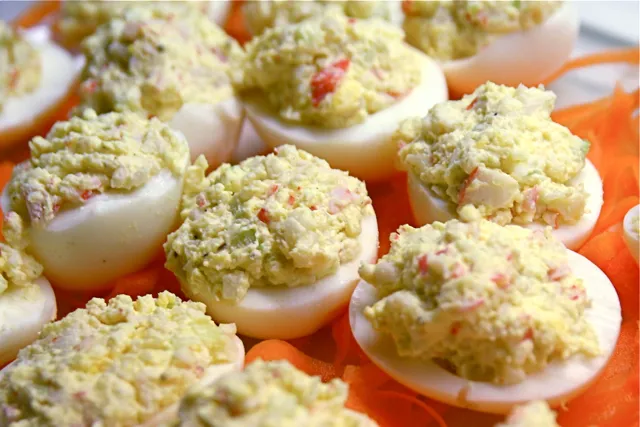
California growers, working in the Central Valley, lean toward varieties with high sugar content that produce a rounder, sweeter powder — excellent for deviled eggs and goulash where sweetness is the point. New Mexico's product has a subtle earthy edge, a whisper of the chile heritage in the soil, that holds up beautifully on grilled meats.
One breeder we spoke with is working on open-pollinated varieties specifically selected for pigment density — measuring in ASTA color units, the industry's brightness scorecard — with early results rivaling Spanish grades that command premium prices.
The Big Question: Will Shoppers Care?
Here's the honest answer: it depends on whether American-grown paprika can escape the commodity trap. Right now, most shoppers see paprika as a generic red powder, full stop. The growers betting on this industry are counting on the same shift that turned craft chocolate, single-origin coffee, and heirloom corn masa into pantry categories people pay extra for.
The signs are encouraging. Specialty grocers are starting to label origin. Small-batch spice brands are building entire identities around traceable sourcing. And the supply-chain jitters of the last few years made even big buyers curious about domestic options.
Will your $3.99 jar go American? Probably not next year. But if the farms in the high desert keep at it, the next paprika you seek out — deliberately, by name, the way you now shop for olive oil — might have a New Mexico address. We, for one, are here for it.