Why There's Always Red Dust on the Deviled Eggs: A Potluck History
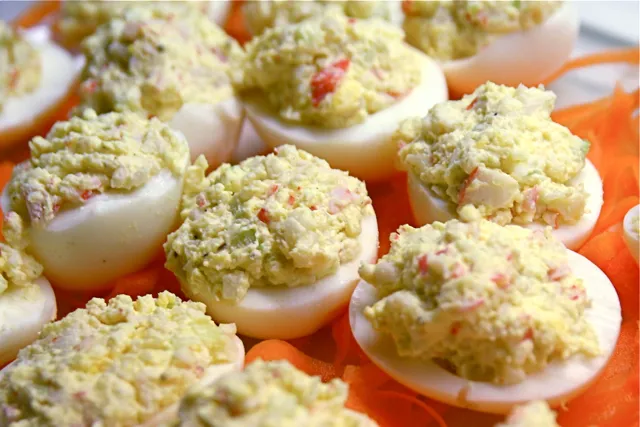
Photo: Steven Depolo, CC BY 2.0, via Wikimedia Commons
The Garnish That Became a Promise
There's a moment at every American gathering — the church basement, the Super Bowl spread, the neighbor's graduation party — when someone approaches the deviled egg tray, hesitates, and asks the room a question that has no logical answer: "Are these the ones with paprika?"
Nobody's asking about flavor. Paprika, dusted that lightly, contributes almost nothing you can taste. What they're really asking is a social question: Did you follow the rules?
Because that's what the red dust is. It's not seasoning. It's a signature on a contract America signed sometime around 1950.
Blame the Cookbook Industry (Politely)
Food historian Sarah Wassberg Johnson, who's written extensively on mid-century American food culture, points to the postwar boom in community and corporate cookbooks as the turning point. "The 1950s and '60s were the golden age of the promotional recipe," she explains. Spice companies needed home cooks to use paprika in visible ways, and the deviled egg — cheap, festive, endlessly adaptable — was the perfect billboard.
General Mills, McCormick, and a parade of spice merchants published thousands of recipes featuring "garnish with paprika" as the final, non-negotiable step. The instruction showed up so consistently, in so many church cookbooks and extension-service pamphlets, that it stopped reading as a suggestion and started reading as law.
There was a practical logic underneath the marketing. Paprika's brilliant red made pale yellow filling pop on a buffet table in an era when food presentation was moving out of the kitchen and into the living room. A dusted egg photographed well — well, painted well, in the era's impossibly glossy ad illustrations.
From Advertisement to Etiquette
Here's where it gets interesting. Once the garnish appeared in enough community cookbooks, it detached from its commercial origin and became something else: a courtesy.
"Food customs in America often travel through women's community networks — church suppers, Junior League cookbooks, extension clubs," says foodways scholar Ken Albala. "A recipe passed hand to hand carries the expectation that you'll reproduce it faithfully. Leaving off the paprika wasn't a shortcut. It was a deviation."
By the 1970s, the red dust meant you'd made an effort. In potluck culture, where every dish is quietly judged against every other dish, visible effort is currency. The paprika said: I know what this dish is supposed to look like, and I respect the room.
The Tailgate Ratifies the Treaty
If church suppers wrote the law, tailgates enforced it. The deviled egg is arguably the single most portable protein in American party culture — no utensils, no reheating, infinite batching. And across SEC country, Big Ten parking lots, and Nascar infields, the tray arrives dusted. Always.
Ask around and you'll hear the same folk explanations: "That's just how you make them." "My grandmother would rise from the grave." The original marketing rationale is completely forgotten; the ritual remains, self-sustaining, generation after generation.
It's worth pausing on how rare that is. Most garnishes die with their decade — nobody's parsley-flaking a cheese ball with a straight face anymore. But paprika on deviled eggs survived the health-food eighties, the low-fat nineties, and the bacon-wrapped everything aughts, untouched.
Should You Actually Taste It?
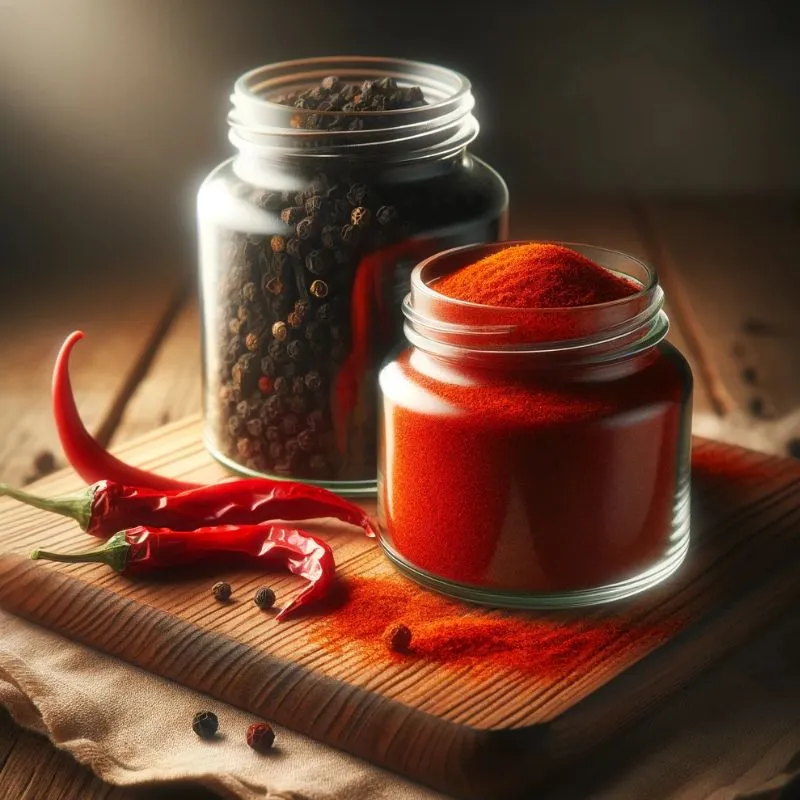
Here's our honest take, as a site named after the stuff: the traditional dusting is fine, but it's leaving flavor on the table. Two easy upgrades that keep the ritual intact:
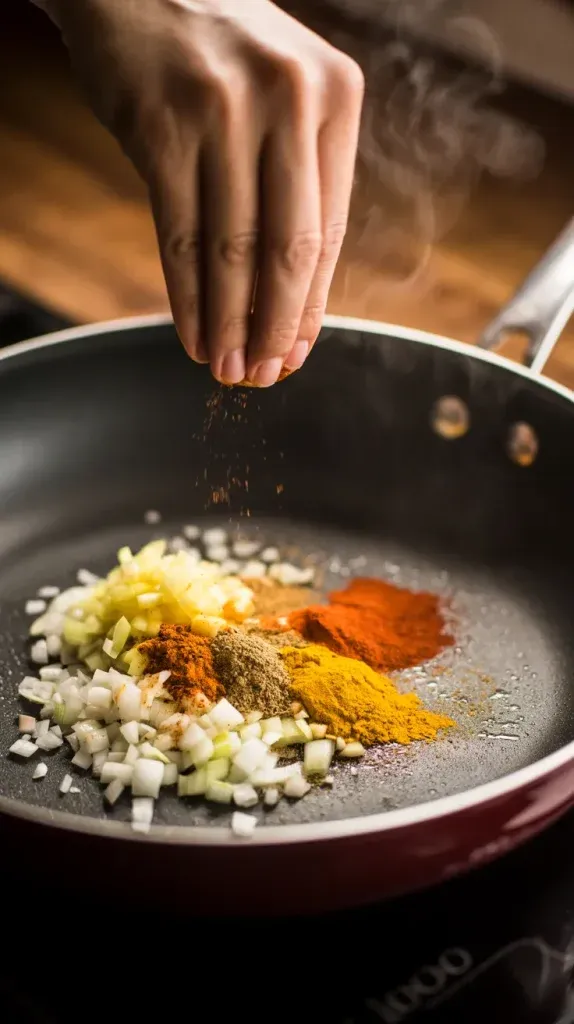
- Bloom before you dust. Warm a teaspoon of the paprika in a little melted butter, let it cool, and stir it into the yolk filling. Now the spice is actually in the egg, not just on it.
- Use the smoked stuff. A pinch of smoked paprika on top delivers the visual tradition and a whisper of campfire that people will ask about.
The contract doesn't specify which paprika. It just says red dust, generously, over the top.
A Courtesy, Not a Condiment
The deviled egg paprika dust is America in miniature: a commercial idea that became a habit, a habit that became a courtesy, and a courtesy that outlived everyone who remembers why. So the next time you're hovering over a potluck tray, wondering if the garnish matters — it does. Just not for the reason you think.