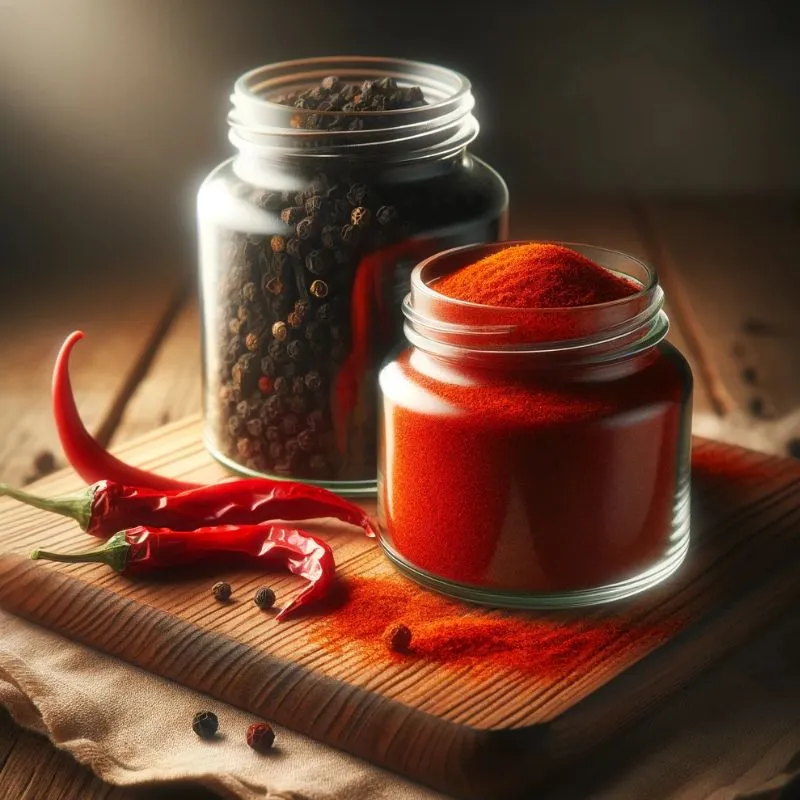
Following the Red Thread: A Cross-Country Hunt for America's Homegrown Paprika
Photo: Betty Longbottom , CC BY-SA 2.0, via Wikimedia Commons
Nobody Thinks of Paprika as a Road Trip Food
But here's the thing: it should be. Paprika is the only major spice America grows at scale, and the map of that production reads like a cross-country itinerary. So last October, I drove it. Roughly 2,100 miles from the chile fields of southern New Mexico to a family spice mill outside Cleveland, chasing the question every paprika-obsessed cook eventually asks: can I buy this stuff from somebody with a face?
The answer is yes, and the trip changed how I shop for spice.
Stop One: Hatch, New Mexico — Where the Heat Begins
You smell Hatch before you see it. During harvest season, the whole valley smells like roasting peppers — propane burners firing under rotating drums, the air thick and sweet and just barely sinus-clearing.
Technically, Hatch grows chiles, not paprika peppers. But the growers here are the front line of a quiet movement: breeding New Mexico's famous pod for the sweet, deep-red, capsaicin-light profile that paprika demands. One grower walked me down a row and snapped a pod in half. "We want flavor you can put on eggs," she said. "Not flavor that fights you."
What to buy: Look for New Mexico-grown red chile powder sold as "red chile" or "mild red" at harvest festivals (early September) and co-ops year-round. It's paprika's bolder cousin — smoky, earthy, with a whisper of heat.
Stop Two: The Texas Panhandle and Oklahoma — Paprika's Breadbasket
Here's a surprise most spice shoppers don't know: a huge share of the world's paprika peppers actually grow in the United States already — just not for us. Big processors in the Texas and Oklahoma panhandles grow red peppers destined for industrial blends and export. Driving Highway 287 in late summer, you'll pass fields of pepper rows stretching to the horizon.
You can't buy direct from these operations, but the region matters for one reason: it proves American agriculture can grow paprika at scale. The bottleneck isn't the land. It's the market.
Stop Three: Missouri and Kansas — The Small-Mill Renaissance
Past Kansas City, the trip shifted from fields to kitchens. In the small towns along old Route 66 spurs, I found something better than commodity scale: micro-mills. Family operations buying peppers from Midwestern farmers and grinding in small batches, then selling at farmers markets and online.
A third-generation miller outside Springfield, Missouri, let me smell his sweet paprika against the supermarket jar he keeps behind the counter as a control. The difference wasn't subtle. His smelled like a red bell pepper that went somewhere interesting. The jar smelled like the idea of one.
What to buy: Seek out small-batch "sweet paprika" or "smoked paprika" from regional mills at farmers markets. Check for a roast date, not just an expiration date. If they can tell you the farm, buy two jars.
Stop Four: Ohio — Where Hungarian Tradition Meets Midwest Dirt
The final stop felt like the trip's thesis. Northeast Ohio has one of the country's oldest Hungarian-American communities, and in the Cleveland area, Hungarian recipes are basically regional cuisine. Local growers have started supplying Hungarian-style paprika peppers to church suppers and specialty shops — a supply chain about four people long.
A shop owner in the Buckeye neighborhood sold me a tin of Ohio-grown, Hungarian-variety sweet paprika and refused to let me leave without a recipe card for chicken paprikash. "The pepper grew two counties over," she shrugged. "It's not exotic. It's just good."
That's the whole point, isn't it?
Your Buying Route, No Car Required
You don't need 2,100 miles of highway to source domestic paprika. Here's the shortcut version:
- New Mexico red chile powder — order from Hatch-area farms and co-ops online, especially after harvest season
- Small-mill paprika — search regional farmers market directories and specialty grocers for Midwestern and Appalachian spice mills
- Hungarian-variety peppers grown in the US — check Hungarian-American community shops in Cleveland, Toledo, and the Ohio Valley
- Smoked paprika from American smokehouses — a growing niche; look for producers who smoke over hickory or mesquite rather than importing
Why This Trip Mattered
We spend a lot of time here at Paprika 53 talking about freshness, heat, and technique. But the road taught me something simpler: the freshest paprika isn't imported at all. It's grown a few states away, milled by someone who answers their own phone, and sold before the aroma fades.
America has a paprika country. It just doesn't have a map yet.
Consider this a start.