The $2.99 Blend vs. My Backyard Rub: A Blind Taste Test Settles the BBQ Debate
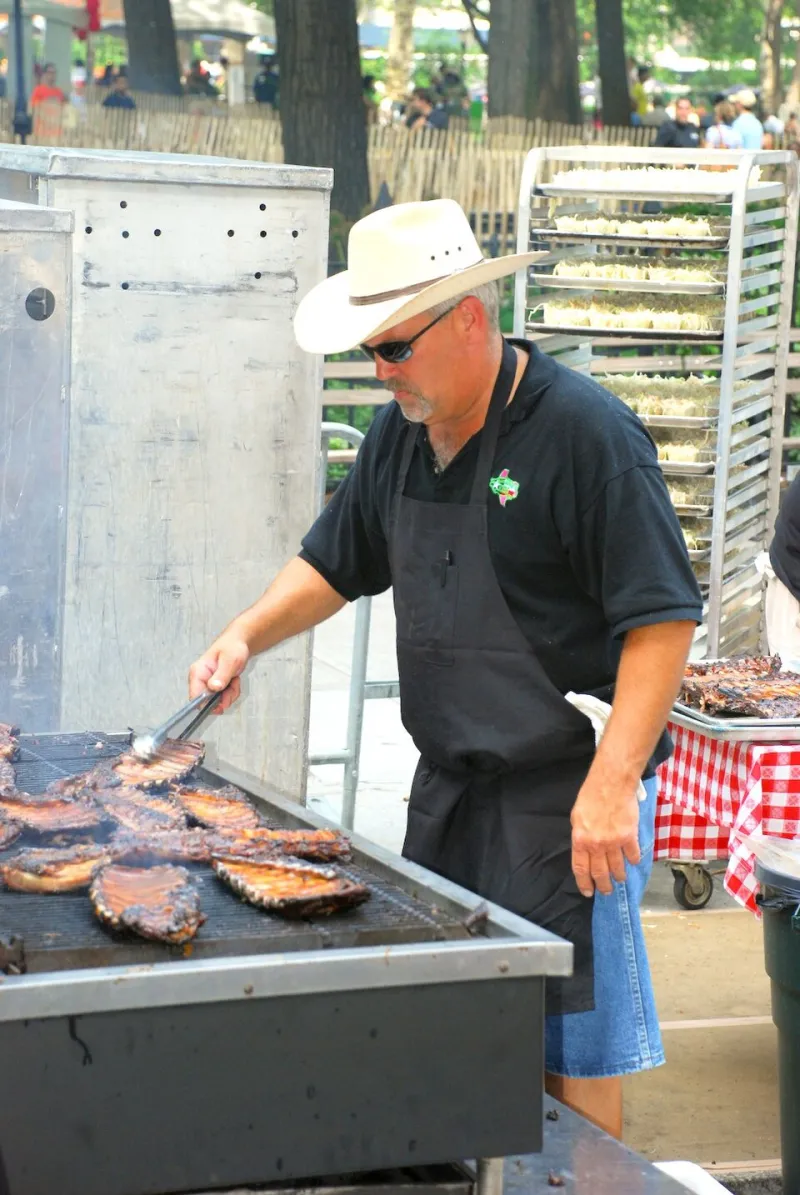
Photo: Jazz Guy from New Jersey, United States, CC BY 2.0, via Wikimedia Commons
Every griller has a rub. Some keep it in a mason jar labeled in Sharpie, guarded like a state secret. Others grab a shaker off the rack at the hardware store and call it a day. With peak grilling season bearing down, we decided to settle the question once and for all: can a homemade, smoked-paprika-forward rub actually beat the store-bought stuff?
We cooked a lot of meat for this one. Fair warning.
The Contenders
On the homemade side, we built three blends around smoked paprika as the backbone — a sweet-leaning version for chicken, a hotter chipotle-cut for brisket, and a balanced all-rounder for ribs. On the commercial side, we grabbed three national brands from the spice aisle and a big-box bulk blend, all priced between $2.99 and $8.
Everything got applied to the same proteins cooked the same way: spare ribs at 275°F for five hours, chicken thighs over direct-then-indirect heat, and a 12-pound brisket that made the whole neighborhood smell like a Texas smokehouse.
Six tasters. Blind. No labels, no brand loyalty, no mercy.
The Master Ratio That Beats Them All
Before we get to results, here's the formula we landed on after two seasons of testing. Write it on a recipe card, tape it inside your cabinet, thank us later:
- 4 parts smoked paprika (the star — don't cheap out here)
- 3 parts kosher salt
- 2 parts coarse black pepper
- 2 parts dark brown sugar
- 1 part garlic powder
- 1 part onion powder
- ½ part cayenne (adjust to your crowd)
Scale it however you like — parts, not spoons. Want it sweeter for chicken? Bump the sugar to 3. Brisket? Swap half the smoked paprika for hot paprika and add a pinch of ground cumin.
The Bitter Crust Problem (aka Why Your Bark Tastes Burnt)
Here's where most homemade rubs go sideways. Sugar caramelizes around 265–275°F. Push past that, or pile on too much of it, and you don't get mahogany bark — you get a bitter, acrid shell that tastes like someone torched a candy bar.
The fix is twofold. First, cap your sugar at about 15–20% of the total blend for long cooks like brisket and ribs. Second, watch your paprika: the sweet variety scorches faster than smoked. If you're running a long, low cook, smoked paprika holds up better because its flavor compounds are already roasted — there's nothing left to burn into bitterness.
Also: salt isn't sugar. Don't reduce the salt to "balance" a sweet rub, or you'll end up with meat that tastes like dessert with a salt deficiency.
The Results, Judge by Judge
The brisket round went to our hot-paprika house blend by a narrow margin — the store-bought brisket rubs leaned heavily on celery salt and read as one-note. On chicken thighs, a commercial blend actually tied our sweet version, mostly because the judges loved its aggressive sugar crust (which, to be fair, we achieved deliberately).
But the ribs? Total sweep. Our all-rounder rub took every single vote, with judges calling out the "real smoke flavor" and "color you can see from across the patio." That's the smoked paprika doing exactly what it does: building a deep red, visually stunning bark that photographs like it belongs on a magazine cover.
Final tally: homemade rubs won four of six judging categories. The store-bought blends' biggest flaw, per the panel, was a dusty, powdery finish — likely a sign of fillers and anti-caking agents.
Build Yours, Then Break the Rules
Once you've got the master ratio down, start messing with it. A tablespoon of espresso powder deepens bark on beef. Smoked sea salt replaces some of the paprika's smoke work if your jar is getting old. A hit of ground mustard wakes up pork. Hungarian hot paprika instead of cayenne gives you heat with actual flavor behind it.
Make a double batch. It keeps for six months in an airtight jar — though in our house, it's never survived past Labor Day.