Baked Feta Had Its Moment. Chicken Paprikash Is Next.
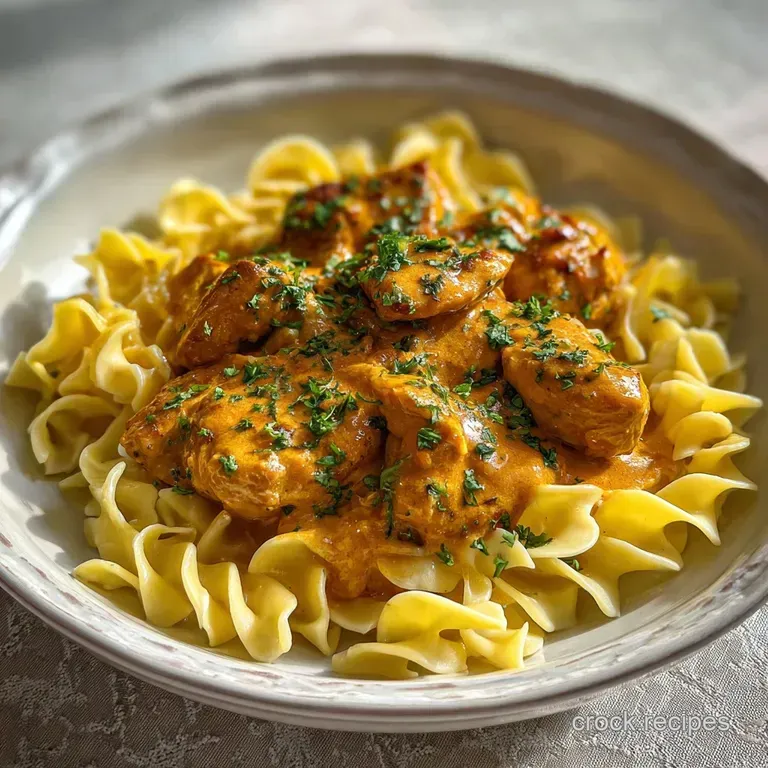
Photo: chicken paprikash sour cream sauce skillet egg noodles, via crock.recipes
The Recipe Box Renaissance
Look at the pattern. Birria tacos went from Jalisco family kitchens to a two-hour line in every American strip mall. Baked feta pasta was a Finnish blog post that emptied supermarket shelves of feta and cherry tomatoes in a single week. Jollof rice, gochujang noodles, cottage cheese everything — the internet's appetite for "humble dish gets its flowers" is bottomless.
Which brings us to the sleeping giant: chicken paprikash.
The dish checks every single box on the viral checklist. It's a one-pan braise. It's built on a spice most Americans already own. It has an immigrant story — Hungarian cooks brought it through Ellis Island and planted it in the Midwest, where it became a Sunday institution in Hungarian-American enclaves from Cleveland to St. Louis. And it produces a sauce so silky and rust-red that filming it should be illegal.
So why hasn't it happened yet?
The Name Problem (and the Sour Cream Problem)
Let's be honest about the barriers. "Paprikash" is a mouthful that autocorrect refuses to respect. Compare that to "birria" — three syllables, endlessly hashtag-able.
Then there's the technique anxiety. Traditional paprikash involves a roux-adjacent maneuver, a careful simmer, and the dreaded instruction: temper the sour cream so it doesn't break. That last step has scared off more weeknight cooks than any spice could. Every generation of Hungarian grandmothers guarded their exact method, which meant the recipe never standardized — and recipes that don't standardize don't go viral.
But here's the thing: those problems are solvable, and TikTok solves problems like this for breakfast. Somebody just needs to make the 45-second version. Consider this our submission.
Weeknight Chicken Paprikash (No Tempering Panic Required)
Serves 4. About 40 minutes.
Ingredients:
- 1.5 lbs boneless chicken thighs, trimmed
- 2 tbsp butter or olive oil
- 1 large yellow onion, thinly sliced
- 3 cloves garlic, minced
- 2 tbsp sweet Hungarian paprika (non-negotiable — see below)
- 1 tsp smoked paprika
- ½ tsp caraway seeds, lightly crushed
- 1 cup chicken broth
- 1 cup full-fat sour cream, room temperature
- 1 tbsp flour
- Salt, pepper, squeeze of lemon
- Egg noodles, spaetzle, or rice to serve
Method:
- Season the chicken generously. Sear in butter over medium-high heat until golden, about 4 minutes per side. Remove and set aside.
- Drop the heat to medium. Cook the onion in the same pan until deeply soft and golden, 8–10 minutes. Don't rush this — it's the backbone of the whole dish.
- Add garlic, caraway, and both paprikas. Stir for 30 seconds — off the heat if your burner runs hot, because burnt paprika is bitter paprika. The mixture should smell like a Budapest market stall.
- Pour in the broth, scrape up the brown bits, and return the chicken with any juices. Simmer, partially covered, 15 minutes.
- Here's the cheat that replaces tempering: whisk the flour into the sour cream in a bowl first. Then stir a ladle of the hot sauce into the sour cream, another ladle, then pour the whole thing back into the pan. Low heat, never boiling, two minutes. Your sauce will not break. We promise.
- Finish with lemon, salt, and a merciless amount of black pepper. Serve over noodles with the sauce applied like you mean it.
The one rule that matters: buy real Hungarian sweet paprika, not the dusty jar that's been in your cabinet since the last election. Fresh paprika is the difference between a dish that's red and a dish that's alive.
Why It Deserves the Moment
Beyond the nostalgia factor, paprikash is exactly what the current food mood is hungry for: cheap, braisy, cream-forward comfort that feeds a family for about twelve bucks. It's also endlessly riffable — swap in pork shoulder, add a spoonful of hot paprika for heat, go heavy on the onions for a sweeter sauce.
Every viral food renaissance follows the same arc: a dish with deep roots, a simple hook, and a visual payoff. Chicken paprikash has all three, plus something the others don't — millions of Americans who already have a memory attached to it. They just need someone to remind them the dish exists.
Consider yourself reminded. Now go bloom some paprika.