Paprika Butter Is the Only Meal-Prep Move You'll Actually Keep Doing
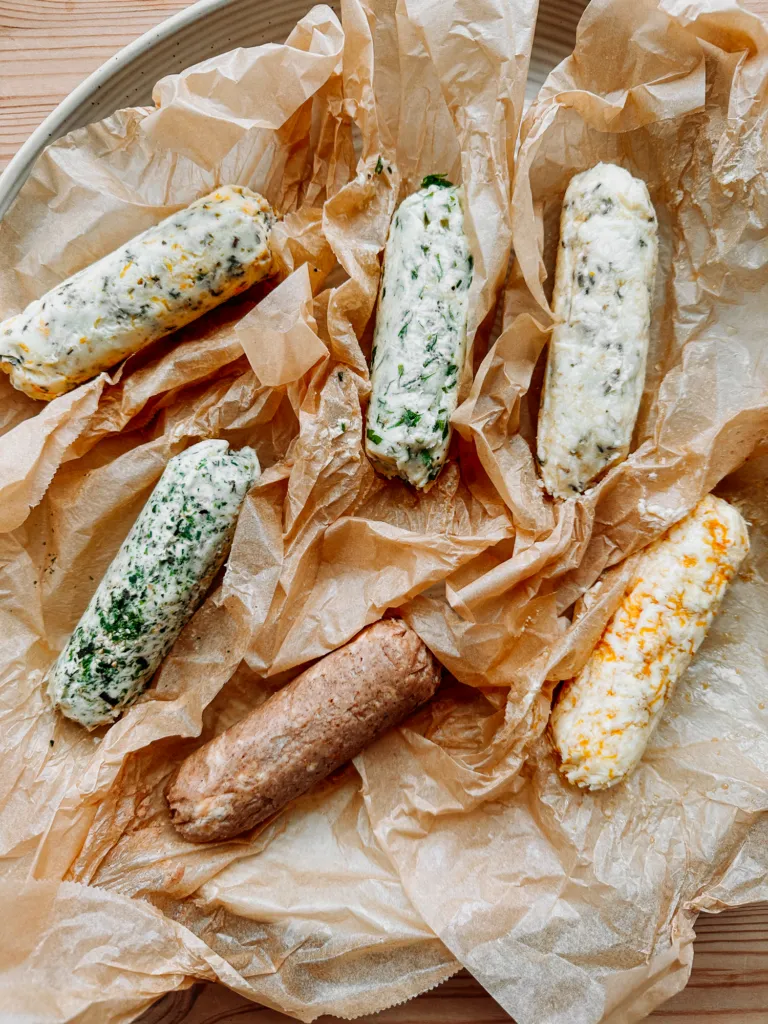
Photo: compound butter log with red paprika on parchment paper, via whipandwander.com
There's a reason restaurant kitchens go through tubs of compound butter: it's flavor that's already done the work before you even turn on the stove. And the single best version for home cooks might be paprika butter — a spice that blooms in fat, which means butter isn't just a carrier here. It's a co-star.
If you've ever dumped paprika into a dry pan and wondered why it tasted like dusty nothing, this is your fix. Paprika's color and aroma are oil-soluble. Steep it in butter and you get a ruby-red, faintly smoky spread that turns a Tuesday chicken thigh into something you'd order out.
The Three Base Recipes
All three start the same way: soften one stick (½ cup) of unsalted butter until it's genuinely squishy — 30 seconds in the microwave, flipped halfway. Then stir in your paprika and friends. No stand mixer required, though a fork and some elbow grease work fine.
Smoked Paprika Butter (the workhorse)
- 1 stick softened butter
- 2 tsp smoked paprika
- ½ tsp garlic powder
- ¼ tsp salt
- Squeeze of lemon
This is the one for steak, roasted potatoes, and grilled corn. The smoke does the heavy lifting; the lemon keeps it from feeling heavy.
Sweet Paprika Butter (the sleeper)
- 1 stick softened butter
- 2 tsp sweet (Hungarian-style) paprika
- 1 tsp honey
- ¼ tsp salt
- Tiny pinch of cayenne, optional
Don't sleep on this one. It's incredible on scrambled eggs, toast with sharp cheddar, or melted over roasted carrots.
Hot Paprika Butter (for the brave)
- 1 stick softened butter
- 1½ tsp hot paprika
- ¼ tsp cayenne
- ½ tsp brown sugar
- ¼ tsp salt
The brown sugar isn't a gimmick — it rounds out the burn. Melt this over shrimp, stir it into grits, or brush it on cornbread right out of the oven.
Each batch takes five minutes. Roll the finished butter into a log using plastic wrap or parchment, twist the ends, and chill until firm.
Five Ways to Use a Paprika Butter Log
- The steak finisher. Slice a coin of smoked paprika butter onto a hot steak as it rests. It melts into a pan-sauce substitute that makes people think you reduced something for an hour.
- Corn on the cob, upgraded. Skip the pat of plain butter. Roll hot corn across the hot paprika log and watch it go neon.
- Sunday eggs. A teaspoon of sweet paprika butter in a nonstick pan, then eggs. That's it. The paprika toasts gently in the fat instead of scorching on top.
- Under the skin. Loosen the skin on chicken thighs or a whole bird and smear smoked paprika butter underneath before roasting. Crispy, mahogany skin, every time.
- Instant pan sauce. After searing pork chops, kill the heat, add a disc of hot paprika butter and a splash of water or broth, and swirl. Dinner, sauced.
Storage and Food Safety, Briefly
Butter logs keep for two weeks in the fridge — wrap tightly so they don't pick up fridge odors. For longer storage, freeze them: the log format is genuinely convenient, letting you slice off exactly what you need. Frozen compound butter holds well for about three months; after that, the dairy fat starts picking up freezer funk.
Two safety notes. First, if you're using fresh garlic or fresh herbs in a variation, keep the batch refrigerated and use it within a week — fresh alliums in an anaerobic fat are not a great combo long-term. The dried-garlic-powder versions above are much more forgiving. Second, always use a clean knife or spoon when slicing from the log; crumbs and double-dipping shorten the clock.
Homemade vs. Store-Bought: We Tried Both
Curiosity got the better of us, so we grabbed two nationally available flavored butters — one smoked-chipotle blend, one garlic-and-herb — and put them head-to-head against our five-minute smoked paprika butter in a blind tasting with corn and toast as the vehicles.
The results? The store-bought versions were fine. Genuinely. But both tasted saltier and flatter, with the smoke flavor reading slightly artificial — like smoke-flavored, rather than smoked. Our homemade version had a rounder, redder aroma and a cleaner finish, likely because the paprika was the second ingredient rather than an afterthought behind oil, salt, and "natural flavor."
The trade-off is honest: store-bought is shelf-stable and zero effort. But at roughly $1.50 a batch for homemade versus $5-plus at the register — and with total control over heat level — the math and the flavor both favor making your own.
One last tip: make all three logs in one session. They share ingredients, they freeze beautifully, and you'll spend the next month opening the fridge and feeling like the smartest cook you know.