What the 2024 Paprika Crunch Actually Means for Your Spice Cabinet — and How to Shop Smart Right Now
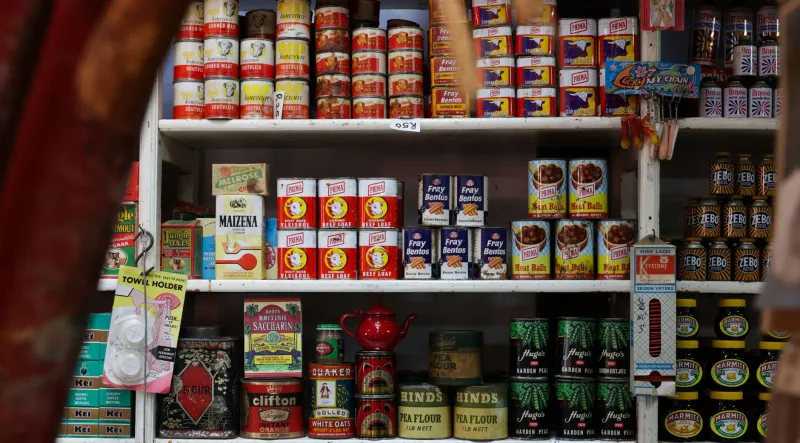
If you've been to the spice aisle recently and noticed thinner shelves, higher price tags, or your usual brand mysteriously replaced by something you've never heard of, you're not imagining things. The global paprika supply has been under real pressure, and American consumers are starting to feel it in ways that go beyond minor inconvenience.
This isn't a panic piece. The world is not running out of paprika. But understanding what's actually happening — and why — puts you in a much better position to shop strategically, find quality alternatives, and avoid overpaying for inferior product during a period when the market is genuinely unsettled.
Where Paprika Comes From (And Why That Matters Right Now)
The United States imports the majority of its paprika from a handful of countries, with Hungary, Spain, and Peru among the most significant sources. Each of those supply chains has faced its own set of disruptions in recent years, and they've converged in a way that's created real strain at the retail level.
Hungary, historically the most iconic source for sweet and hot paprika, has dealt with consecutive growing seasons complicated by extreme heat and irregular rainfall patterns in the Great Plain region, where most of its peppers are grown. The 2023 harvest was significantly below average in several key growing areas, and early 2024 data hasn't been especially encouraging. When base crop yields drop, quality sorting tightens, and the premium-grade paprika that typically makes it to export markets becomes both scarcer and more expensive.
Spain's situation is somewhat different. Pimentón de la Vera, the protected-designation smoked paprika from the Extremadura region, has faced pressure from both climate variability and labor cost increases that have pushed export prices upward. Some importers have responded by sourcing from outside the protected region, which means products labeled as "smoked paprika" on American shelves may be delivering a noticeably different — and often inferior — flavor profile than they did two or three years ago.
Geopolitical factors have added another layer of complexity. Shipping route disruptions and fuel cost volatility have increased the landed cost of imported spices across the board, and paprika, as a relatively high-bulk, moderate-value commodity, has been hit proportionally hard.
What This Looks Like in the US Market
For everyday shoppers, the disruption shows up in a few specific ways. First, retail prices have climbed — not dramatically for generic domestic blends, but noticeably for premium imported varieties. Second, some specialty and imported brands have had inconsistent availability, particularly at independent grocery stores and smaller specialty retailers. Third, and perhaps most importantly, there's been some quiet quality drift: brands maintaining their price points have in some cases adjusted their sourcing in ways that affect flavor without changing the label.
That last point is worth paying attention to. If your go-to paprika has tasted a little flat lately, a little less vibrant than you remember, it may not be your imagination or your cooking. The product in the jar may genuinely be different from what you were buying eighteen months ago.
The Alternatives Worth Knowing
This is actually a good moment to expand your spice vocabulary, because several alternatives can deliver similar or complementary flavor profiles to paprika in various applications.
Ancho Chile Powder Made from dried poblano peppers, ancho powder offers a deep, slightly sweet, mildly smoky flavor that works beautifully in braises, rubs, and slow-cooked dishes where you'd typically reach for sweet or smoked paprika. It's widely available, domestically produced, and often more price-stable than imported paprika.
Guajillo Powder For dishes where you want brightness and a gentle fruity heat, guajillo powder is an excellent stand-in. It has a clean red-pepper flavor with more complexity than generic chili powder, and it blends well with cumin and garlic in the same applications where paprika shines.
Chipotle Powder If smoked paprika is what you're after and pimentón is either unavailable or overpriced, chipotle powder delivers serious smoke with added heat. Use it at about half the volume you'd use smoked paprika and adjust from there — it's more intense, but the flavor direction is similar.
Kashmiri Chili Powder Less familiar to most American cooks but increasingly available online and at South Asian grocery stores, Kashmiri chili powder is mild in heat but produces a vivid red color and a fruity, nuanced flavor that makes it a genuinely good paprika substitute in dishes where color matters as much as flavor.
How to Buy Paprika Smartly Right Now
If you want to keep using paprika — and you should, because nothing else is quite paprika — here's a practical buying strategy for the current market.
Buy less, buy fresher. In a period of supply volatility, smaller quantities purchased more frequently is smarter than stockpiling. Paprika's flavor degrades over time, and a large jar bought at a discount doesn't help you if it's gone stale by the time you get to the bottom.
Look for harvest year or pack date information. Better-quality imported paprikas will often include this on the label or packaging. Freshness is always relevant with paprika, but it matters even more right now when some brands are moving older inventory.
Consider specialty importers. While big-box retail paprika has seen the most supply pressure, some smaller specialty importers — often found online or at farmers markets — source directly from specific farms and have more transparency about what's in their jars. The price premium is often worth it, especially for smoked varieties.
Don't default to the biggest jar. More than ever, paying slightly more per ounce for a smaller, higher-quality jar is a better value than a big container of uncertain provenance sitting on your shelf for two years.
The Bottom Line
The paprika supply situation is genuinely unsettled, but it's manageable. The cooks who'll navigate it best are the ones who stay curious, keep a few quality alternatives in rotation, and pay attention to what's actually in their jars rather than defaulting to brand loyalty out of habit.
Shortages — even partial, temporary ones — have a way of pushing cooks toward ingredients they'd never have tried otherwise. The ancho powder you reach for when the smoked paprika shelf is bare might end up becoming a permanent fixture in your rotation. That's not a bad outcome.
Stay flexible, taste everything, and don't panic-buy twelve jars of anything. The spice aisle will stabilize. In the meantime, there's a lot of good cooking to do with what's available.