Why Your Fancy Paprika Tastes Flat (And the Cheap Jar From Last Year Was Better)
You did everything right. You upgraded. You bought the fancy paprika — the one with the artisan label, the origin story printed on the back, and the price tag that made you wince a little at checkout. You brought it home, sprinkled it over your chicken thighs, and waited for the magic.
Nothing.
Meanwhile, there's a tin of supermarket paprika buried in your cabinet from eighteen months ago that still smells like roasted peppers and actually turns your oil that gorgeous brick red. What is going on?
This is the paprika paradox, and if you cook with any regularity, you've probably run into it at least once. Premium doesn't always mean consistent — and understanding why that's true can save you money, frustration, and a whole lot of underwhelming meals.
The Harvest Problem Nobody Talks About
Paprika starts with peppers, and peppers are an agricultural product. That sounds obvious, but it has real implications that most spice brands don't advertise. Pepper crops vary significantly from year to year based on rainfall, temperature, and soil conditions. A drought in Hungary or a wet season in Spain doesn't just affect the quantity of peppers harvested — it changes the concentration of capsaicinoids, carotenoids, and volatile aromatic compounds that make paprika actually taste like something.
Here's where it gets complicated: most commercial paprika is blended across multiple harvests and sometimes multiple origins to hit a consistent color spec. But color and flavor aren't the same thing. A brand can nail a deep red ASTA color rating (the industry standard for measuring pigment intensity) while delivering a paprika that smells like cardboard and tastes like mild chalk. The color looks right. The flavor isn't there.
Smaller, premium producers sometimes skip the blending process and sell single-origin, single-harvest paprika. That's genuinely exciting when the harvest is good. But when it isn't — when the season was rough — you're getting all of that inconsistency in your jar, and you paid extra for the privilege.
Your Packaging Is Working Against You
Even if the paprika inside is excellent, the container it lives in might be quietly destroying it before you ever open the seal.
Paprika is sensitive to three things: light, heat, and oxygen. Carotenoids — the pigment compounds responsible for that rich red color and a big chunk of the flavor — degrade rapidly when exposed to UV light. Volatile aromatic oils, the compounds that give paprika its distinctive smoky or fruity scent, evaporate or oxidize when packaging isn't truly airtight.
A lot of premium paprika comes in beautiful packaging. Dark glass jars, decorative tins, resealable pouches with matte finishes. Some of these are genuinely protective. Others are marketing. A thin plastic shaker jar sitting under fluorescent store lighting for four months has likely lost significant aromatic complexity before it ever reaches your spice drawer — regardless of what was inside when it was packed.
The cheap supermarket tin that's been sitting in your cabinet? It may have been packed in a fully sealed, light-blocking container, distributed quickly through a high-volume supply chain, and stored in your dark cabinet ever since. That's actually a decent storage scenario.
The Supplier Shuffle
Here's a frustrating reality of the spice industry: the brand on the label and the source of the actual paprika are often two different things. Many US spice brands don't grow or process their own peppers. They buy from brokers, who buy from processors, who source from farms across multiple countries. The supply chain is long, and it shifts.
A brand you trusted last year may have quietly switched suppliers — maybe because their previous source raised prices, maybe because of a crop shortage, maybe just because a new contract was cheaper. You'd never know from the label. The jar looks identical. The contents aren't.
This is especially common in the mid-range price tier, the $6–$12 paprika that sits between the dollar-store stuff and the truly artisan imports. These brands often have the marketing language of premium products without the supply chain transparency to back it up.
How to Play Detective Before You Buy
So how do you actually find reliable paprika? A few practical tools:
Smell it through the seal if you can. Some retailers sell paprika in ways that let you get close to the container. If you're buying loose or from a bulk section, a quick sniff tells you a lot. Good paprika smells alive — fruity, earthy, slightly peppery. Flat paprika smells like nothing, or faintly like dust.
Check the pack date, not just the best-by date. A best-by date two years out doesn't tell you when the paprika was packed. Look for a pack or roast date if the brand includes one. Fresher is almost always better, and some specialty importers are transparent about harvest years.
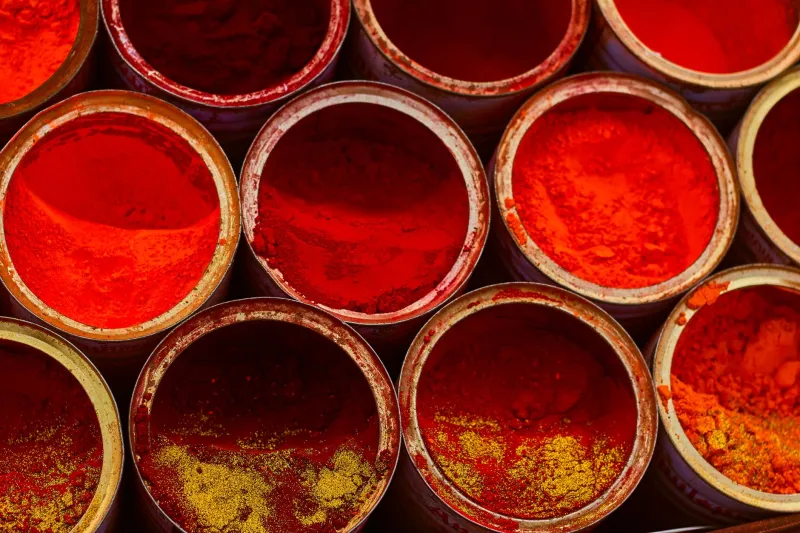
Look at the color in context. Vibrant, deep red is a good sign, but don't be fooled by color alone. Some heavily processed paprika is intensely red and completely flavorless. Color is a starting point, not a guarantee.
Buy smaller quantities more often. A pound of paprika sounds economical until it's been sitting in your cabinet for two years and has the aromatic intensity of mild dust. A smaller jar that you cycle through quickly is almost always going to taste better than a bulk purchase that lingers.
Find a source and stick with it — then pay attention. When you find a brand or importer that consistently delivers, note where you bought it and what the label looked like. If quality drops on a future purchase, that's a signal the source may have changed.
The Uncomfortable Bottom Line
Paprika quality is genuinely unpredictable in ways that price doesn't fully account for. A more expensive jar can absolutely be worth it — but only if the brand has real supply chain transparency, good packaging, and a fast turnover. A cheaper jar from a high-volume brand with tight distribution can outperform a boutique import that sat on a specialty store shelf for eight months.
The best move isn't to always buy premium or always buy cheap. It's to buy informed. Know what good paprika smells and looks like, pay attention to storage and packaging, and don't let a pretty label do your quality control for you.
At Paprika 53, we think about this stuff so you don't have to guess every time you reach for the spice rack. The goal is always the same: bold flavor, every single time. And that starts with knowing exactly what's in your jar.