Your Paprika Is Lying to You — Here's Why (and How to Fix It)
You followed the recipe. You measured carefully. You even sprinkled a little extra for good measure. And yet — your dish came out flat, vaguely orange-tinted, and totally uninspiring. Sound familiar?
Here's the uncomfortable truth: your paprika might be the problem. Not because paprika is a weak spice (it absolutely isn't), but because the version sitting in your spice drawer has probably been quietly dying for months — maybe longer. At Paprika 53, this is the kind of thing that keeps us up at night. Let's talk about it.
The Silent Killer: Oxidation
Paprika is rich in volatile aromatic compounds and natural pigments — carotenoids, capsaicin derivatives, and essential oils — that give it that signature color, warmth, and depth. Those compounds are also extremely sensitive to oxygen, light, and heat. Every time you open that jar, you're letting in a little more of paprika's worst enemy.
Over time, oxidation breaks down those aromatic compounds into... nothing. Literally flavorless molecules. The color might stick around longer than the flavor does, which is why a jar of paprika can still look beautifully red while tasting like mildly spiced air. You're essentially seasoning your food with a ghost.
This isn't a slow, dramatic decline, either. Depending on how your paprika is stored, the flavor degradation can start within weeks of opening the jar — especially if it's sitting next to your stove where heat speeds everything up.
The Bulk Bin Trap
If you've ever scooped paprika out of a bulk bin at a natural grocery store, we hate to break it to you: you probably took home something that was already halfway to flavorless before you even got it in the car.
Bulk spices, for all their eco-friendly appeal, have a serious freshness problem. Those open containers turn over at wildly different rates depending on the store, the location, and the season. Some bulk bins sit exposed to air and fluorescent light for weeks at a stretch. There's no way to know when that paprika was ground, where it came from, or how long it's been sitting there.
For low-stakes spices, that might be fine. For paprika — a spice where freshness is everything — it's a gamble that rarely pays off. Stick to sealed, dated packaging from reputable spice brands, and always check for a "packed on" or "best by" date before you buy.
The Spice Drawer Problem Nobody Talks About
Here's a scenario: you bought paprika two years ago for a recipe, used two teaspoons, and shoved the jar to the back of the drawer. It's still mostly full. You figure you'll use it eventually.
This is the most common paprika mistake in American kitchens, and it's completely understandable. Spices feel like pantry staples that should last forever — like baking soda or canned beans. But ground paprika has a realistic peak flavor window of about six to twelve months after opening, and that's under good storage conditions. After that, you're just adding color and wishful thinking.
A quick test: open your jar and take a real sniff. Fresh paprika should hit you immediately — fruity, earthy, a little smoky if it's the smoked variety, with a warmth that practically jumps out of the jar. If you're getting something faint, dusty, or vaguely musty, that jar has seen better days. Toss it. Seriously.
Where You Store It Matters More Than You Think
The cabinet right next to the stove is prime real estate in most American kitchens. It's convenient, it's close to the action, and it's also terrible for spices. Heat is the other major accelerant of flavor loss, and stovetop-adjacent storage exposes your paprika to repeated temperature spikes every single time you cook.
Light is another underrated villain. Clear jars on an open spice rack look beautiful on Instagram, but UV exposure degrades those delicate pigments and aromatic oils faster than you'd expect. Dark, opaque containers in a cool, dry cabinet away from the stove are genuinely the move here — not just advice you can ignore.
If you buy paprika in larger quantities (which can be a smart way to get fresher, higher-quality spice from specialty importers), consider decanting into a small airtight jar for everyday use and keeping the bulk portion sealed in a cool, dark spot — or even the freezer for long-term storage. Freezing whole or coarsely ground spices works well; just let them come to room temperature before opening to prevent condensation.
How to Actually Keep Your Paprika Potent
Let's make this practical. Here's what actually works:
Buy smaller quantities, more often. A two-ounce jar of genuinely fresh, high-quality paprika will outperform a huge container of mediocre stuff every single time. Buying less means you'll use it up while it's still alive.
Check the date before you buy. Look for spice brands that include a packed-on date, not just a vague best-by date. The closer to the grind date, the better. Some specialty importers — especially those focusing on Hungarian, Spanish, or Turkish paprika — are very transparent about harvest and processing dates.
Smell it before you cook with it. Make this a habit. If the aroma doesn't make you want to cook immediately, it's not going to make your food taste like anything either.
Store it right, not conveniently. Cool, dark, and sealed. Not next to the stove, not on a sunlit countertop. A drawer or cabinet away from heat sources is ideal.
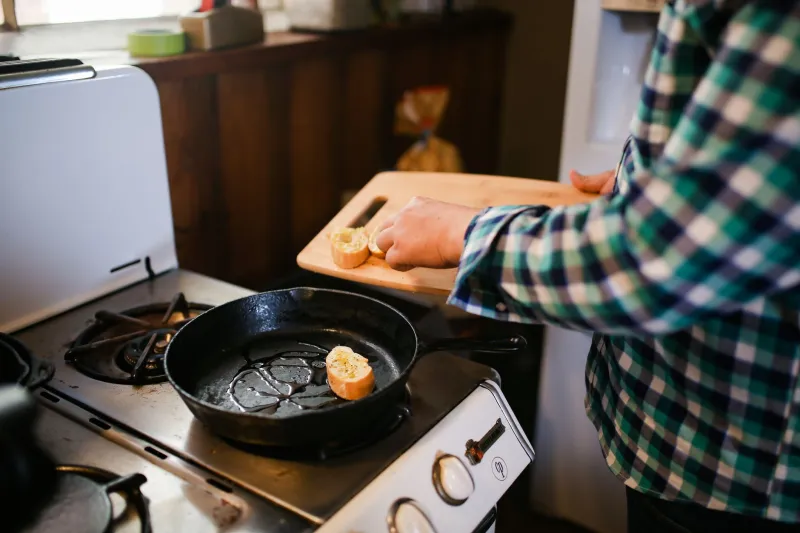
Bloom it in fat. This one's a technique tip, not a storage fix, but it matters: paprika releases its flavor compounds most effectively when it hits warm oil or butter before the other ingredients go in. Even the freshest paprika will underperform if you just sprinkle it on top of finished food.
The Bigger Picture
Paprika isn't a background player. At its best — fresh, properly stored, used correctly — it's one of the most complex and versatile spices in your kitchen. It can carry a whole dish. It can build a flavor foundation that makes everything else taste better. It can add smoke, heat, sweetness, and color all at once.
But none of that happens when you're cooking with a jar of oxidized dust that's been sitting in a hot drawer since 2022.
The fix isn't complicated or expensive. It's just about paying a little more attention to the full lifecycle of this spice — from the moment you buy it to the moment it hits the pan. Treat your paprika like the ingredient it actually is, not like a condiment you keep around just in case, and it will absolutely return the favor.