Closing the Flavor Gap: What Restaurant Kitchens Know About Paprika That Home Cooks Don't
You've done everything right. You followed the recipe, measured carefully, used the paprika sitting in your spice rack, and still — the dish landed flat. Meanwhile, the paprika-dusted chicken at that little Hungarian spot downtown practically made you close your eyes. Same spice. Wildly different result.
This isn't a talent problem. It's a knowledge problem. And once you understand what's actually happening in a professional kitchen versus a home kitchen, you can start closing that gap in a real, practical way.
The Freshness Problem Nobody Talks About
Here's something most home cooks don't think about: a busy restaurant goes through a container of paprika in days. You might go through the same amount in a year. That timeline difference is enormous.
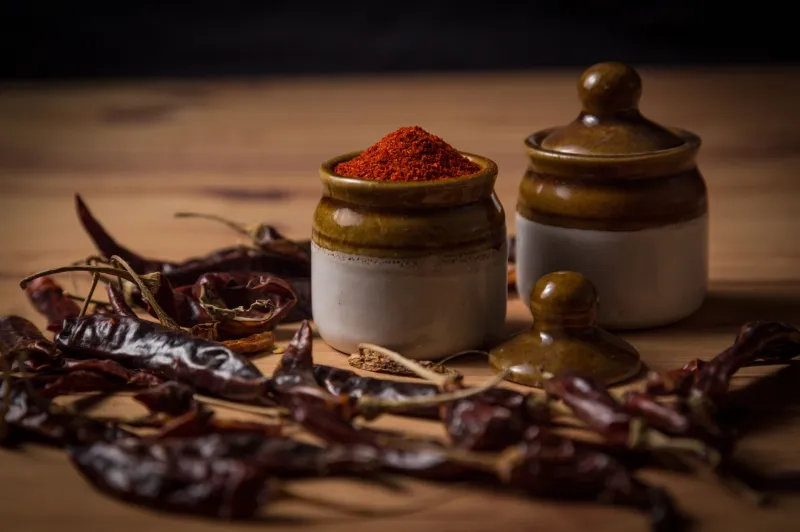
Paprika is a dried spice, which gives people the false impression that it lasts forever. It doesn't. The volatile compounds that give paprika its depth — the carotenoids responsible for that deep red color, the essential oils that carry the smoky or sweet aroma — degrade over time. Light, heat, and oxygen are the three main culprits, and most home spice racks are guilty of exposing paprika to all three.
The fix is straightforward but requires a small mindset shift: buy less, buy more often. A two-ounce tin of high-quality smoked Spanish paprika used within three to four months will outperform a four-ounce jar that's been sitting on your counter since last Thanksgiving. Every single time.
If you want to push freshness even further, store your paprika in an airtight container in a cool, dark cabinet — or even in the refrigerator. Chefs in serious kitchens often keep their most-used spices away from the heat of the stove. Your countertop spice rack looks great, but it's not doing your paprika any favors.
How Restaurants Layer Paprika (And Why You Should Too)
One application of paprika is rarely enough to build real depth. Restaurant cooks know this intuitively. They'll bloom paprika in fat at the start of a dish, add more during cooking, and sometimes finish with a final dusting right before plating. Each layer behaves differently, contributing a distinct dimension to the final flavor.
Blooming is the move most home cooks skip. When paprika hits hot oil or butter — even just for 30 to 60 seconds — the fat pulls out fat-soluble flavor compounds that water-based cooking can't access. The result is a richer, rounder flavor that seems to come from everywhere in the dish rather than sitting on top of it. You'll know you're doing it right when the oil turns a deep, burnished red and the kitchen smells like something actually interesting is happening.
A few things to watch out for: paprika burns fast. Keep the heat at medium or medium-low, stir constantly, and add your aromatics or liquid quickly after blooming. Scorched paprika turns bitter in a hurry, which is probably the source of more disappointing home-cooked paprika dishes than anything else.
Temperature Control Is the Unsung Hero
Professional kitchens run hot. Restaurant burners often output two to three times the BTUs of a standard home range, which affects how quickly a dish builds a sear, develops fond, and integrates spices into sauce.
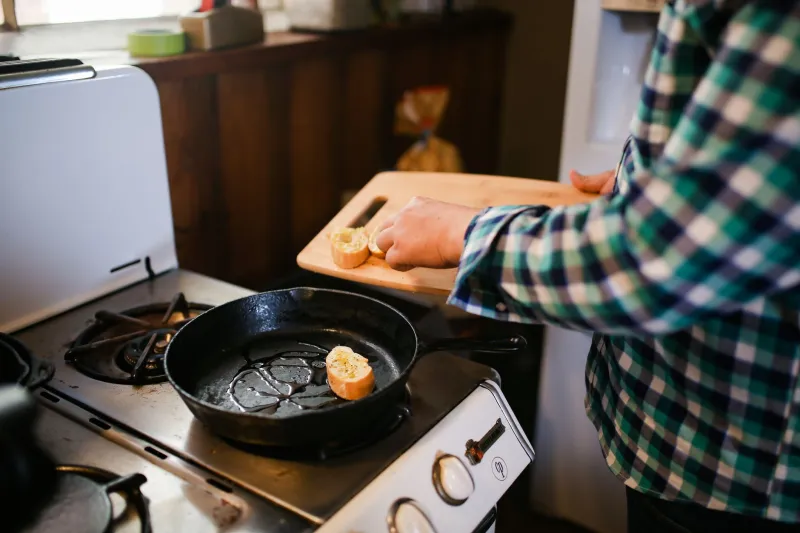
You can't replicate a commercial range at home, but you can work smarter with what you've got. One of the most effective adjustments is preheating your pan longer than you think you need to. A cast iron skillet that's been sitting over medium heat for four or five minutes before anything goes in it will behave very differently than one that's been heating for 90 seconds. A properly hot pan means better browning, which means more of those savory, complex flavors that make restaurant food taste like it was made by someone who actually knows what they're doing.
Another technique worth borrowing: finish paprika-heavy dishes in the oven rather than on the stovetop. Even heat surrounds the food, prevents scorching, and gives the spice time to meld with the other ingredients in a way that stovetop-only cooking rarely achieves.
The Ingredient Quality Conversation
Restaurants that take their food seriously source paprika with intention. There's a meaningful difference between a generic grocery store paprika and a designated-origin smoked pimentón from La Vera, Spain, or a hand-ground sweet Hungarian paprika from Kalocsa. The former is a utility spice. The latter is an ingredient.
This doesn't mean you need to spend a fortune. It means being slightly more deliberate about what you buy. Look for paprika that specifies its origin, its type (sweet, smoked, hot, or bittersweet), and ideally its harvest year. Specialty grocery stores, international markets, and online spice retailers will have options that the standard supermarket spice aisle simply doesn't carry.
If you're cooking a dish where paprika is a lead flavor — think chicken paprikash, a proper shakshuka, or a slow-braised Spanish chorizo stew — that's the moment to use the good stuff. When paprika is buried under a dozen other flavors, the difference matters less. But when it's the star, the quality shows.
Building Your Home Kitchen Playbook
So what does all of this look like in practice? A few actionable habits that will genuinely change how your paprika dishes turn out:
Audit your spice rack. If you can't remember when you bought your paprika, it's probably time to replace it. Smell it — good paprika has a vivid, almost fruity aroma. If it smells like nothing or like old cardboard, it's done.
Bloom before you build. Start paprika-forward dishes by cooking the spice in fat for 30 to 60 seconds before adding anything else. This single habit will change the flavor profile of your food more than almost anything else you can do.
Layer throughout cooking. Add a pinch during the initial sauté, more when you add liquid, and a small finishing amount at the end. Each addition does something slightly different.
Get your pan properly hot. Give it time. A hot pan and good technique can compensate for a lot of equipment limitations.
Store it right. Airtight, cool, and dark. Not next to the stove. Not on a sunny windowsill.
The gap between restaurant food and home cooking isn't as wide as it feels. Most of it comes down to a handful of habits that professionals have internalized through repetition. The good news is that you don't need a commercial kitchen to cook like someone who works in one. You just need to understand why the food tastes the way it does — and then make the small adjustments that actually move the needle.