Does Your Paprika Actually Taste Like Anything? A Home Cook's Guide to Knowing the Difference
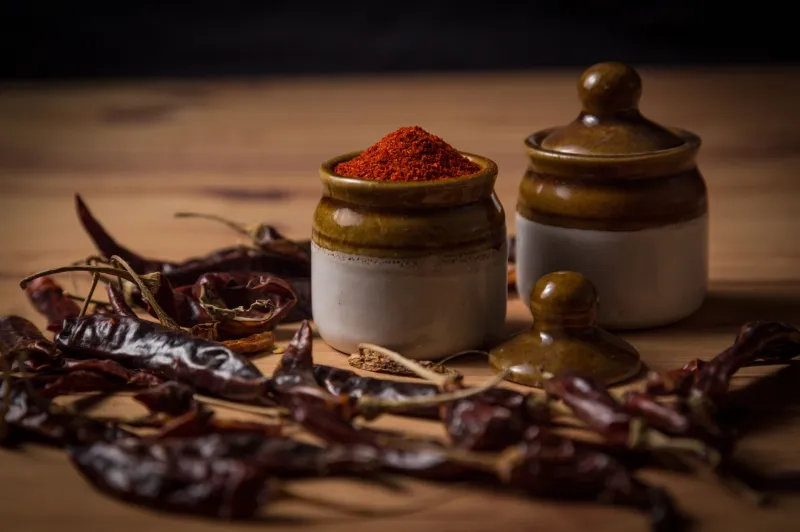
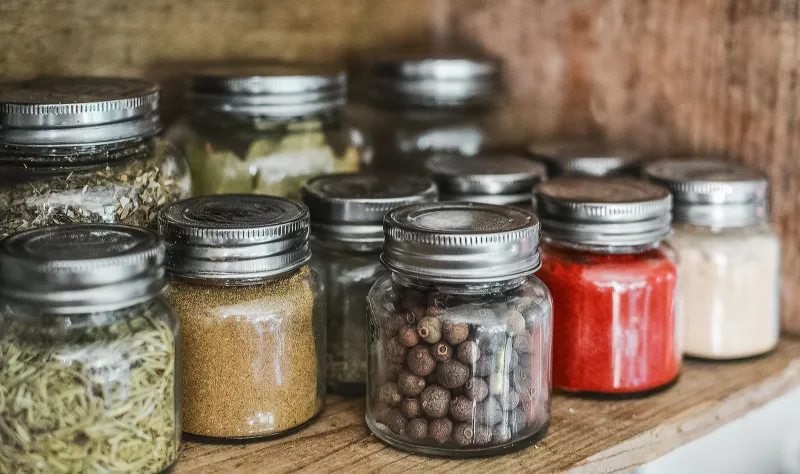
Let's be honest: most of us have a jar of paprika that's been sitting in the spice cabinet since roughly the Obama administration. It still looks reddish. It still smells like something. So it's probably fine, right?
Not exactly.
Paprika is one of those spices that degrades so gradually you barely notice it happening — until you make a dish that tastes flat and you can't figure out why. The good news is that testing your paprika takes about 60 seconds, costs nothing, and can completely change how you cook with it. Here's everything you need to know.
Why Paprika Goes Bad (Without Looking Like It)
Unlike, say, a moldy strawberry, stale paprika doesn't announce itself. It won't smell rotten or look obviously off. What it does is quietly lose the volatile compounds — the essential oils and carotenoids — that give it complexity, heat, and that deep red color that makes a dish look as good as it tastes.
Paprika is made from dried and ground red peppers, and those peppers carry a surprising amount of nuance: fruity sweetness, mild bitterness, subtle earthiness, and depending on the variety, a gentle warmth or outright smokiness. All of that lives in fragile chemical compounds that break down with time, heat, light, and moisture. By the time your paprika is two or three years old, you might be adding color to your food, but you're not adding much flavor.
And that's a problem, because paprika isn't a background spice. It's supposed to be doing real work.
The Sniff Test (And Why It's Not Enough)
Most home cooks stop at smelling their spices, which is a decent start but not the full picture. Here's a better approach.
Step one: Smell it properly. Don't just open the jar and take a whiff. Rub a small pinch between your fingers first — the friction releases the volatile oils and gives you a much clearer read on what's actually there. Good paprika should smell bright, a little sweet, maybe faintly fruity, and if it's smoked, you'll get that campfire-meets-dried-pepper note immediately. If you get something dusty, faint, or vaguely musty, that's your first red flag.
Step two: Taste it. Put a tiny amount on the tip of your tongue. Quality paprika has layers — you might notice sweetness first, then a mild pepper flavor, then a lingering warmth. Smoked varieties should have a distinct, almost BBQ-adjacent depth. If what you taste is mostly nothing, or if it's just generically "spicy" without any real character, your paprika has checked out.
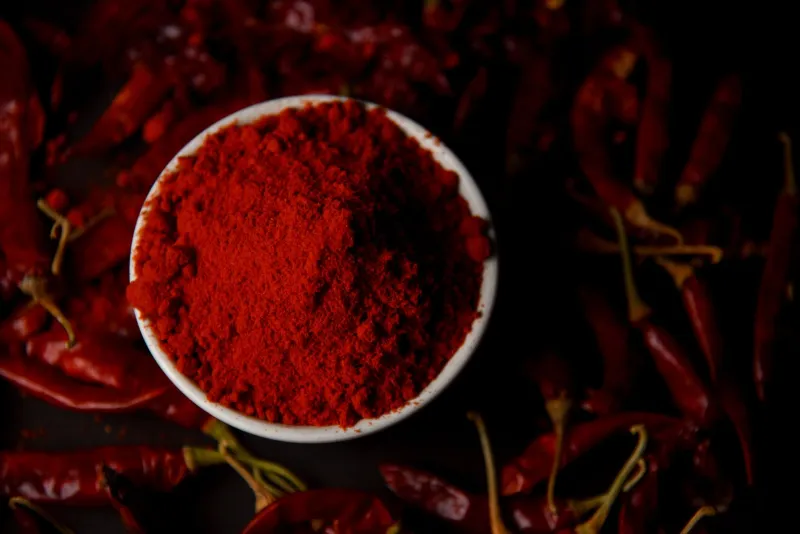
Step three: Look at the color. Fresh paprika is a vibrant, almost jewel-like red. As it ages, it fades toward a dull brick or brownish tone. Color alone isn't a dealbreaker, but it's a useful supporting clue alongside what you're smelling and tasting.
The Storage Mistakes That Are Quietly Killing Your Spices
Here's where things get a little uncomfortable, because some of the most common ways people store paprika are also the worst possible ways to store it.
Next to the stove. We get it — it's convenient. But heat is one of paprika's biggest enemies. Storing spices near a burner or oven means they're getting hit with warmth every single time you cook. That's a lot of degradation over time.
In a cabinet above the dishwasher. Steam rises. Moisture is the other big enemy. A cabinet that gets humid every time you run a cycle is a terrible neighborhood for ground spices.
In a clear jar on a sunny windowsill. This looks great on Instagram and is genuinely terrible for paprika. Light — especially direct sunlight — breaks down those carotenoids fast. Keep your paprika somewhere dark.
The ideal setup? A cool, dry, dark cabinet away from the stove. An airtight container helps too, whether that's the original jar with a tight lid or something you've transferred it into. And yes, some people refrigerate their paprika, especially smoked varieties, which tend to be more oil-rich and can go rancid faster. It's not necessary for everyone, but if you live somewhere warm or humid, it's worth considering.
How Long Does Paprika Actually Last?
The honest answer is: it depends. Ground paprika at its best is usually most flavorful within six months to a year of opening. It won't be dangerous to eat after that — it just won't be doing much for your cooking. Whole dried peppers last significantly longer if you grind them yourself, which is worth exploring if you're a frequent user.
The "best by" date on the jar is more of a guideline than a guarantee. A jar stored in a cool, dark pantry might still be solid past that date. One that's been sitting next to the stove in direct light could be half-dead at six months.
Use your senses, not the calendar.
When to Refresh vs. When to Replace
If your paprika is mildly faded but still has some character, you can coax a bit more out of it by blooming it in oil before adding other ingredients. Heat a little oil or butter in a pan, add your paprika, and let it sizzle gently for 30 to 60 seconds before building the rest of your dish. This wakes up whatever volatile compounds are left and distributes them more evenly through your food. It won't resurrect completely dead paprika, but it can meaningfully improve something that's just a little tired.
If the sniff-and-taste test reveals basically nothing, though? Toss it. A fresh jar of decent paprika costs a few dollars and will make an immediate, noticeable difference in your cooking. That's one of the best returns on investment in your whole kitchen.
What "Good" Paprika Actually Tastes Like
If you've been cooking with stale paprika for a while, you might not even have a clear reference point for what fresh looks and tastes like. Here's a quick cheat sheet:
- Sweet paprika (Hungarian-style): Fruity, mildly sweet, with a clean pepper flavor and almost no heat. Think of it as the baseline — the one that should taste like a really good dried red pepper.
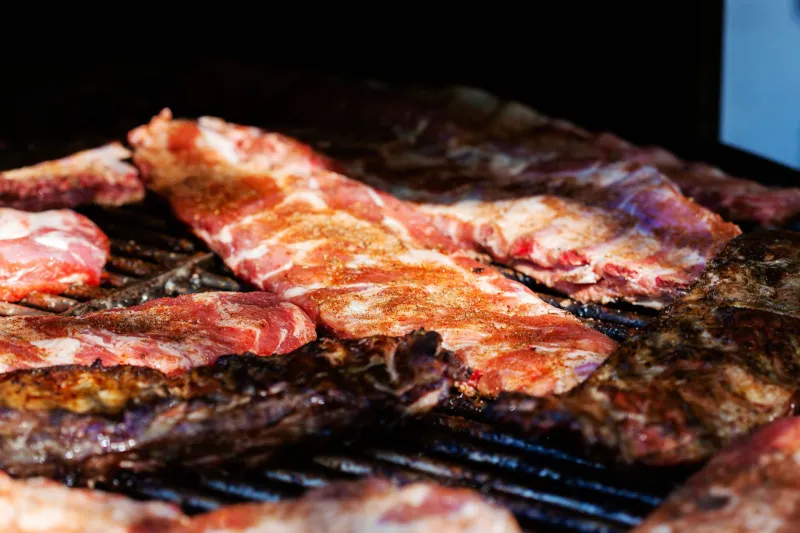
- Smoked paprika (Spanish pimentón): Deep, woodsy, and complex. There should be a clear smoke character that's distinct from just "spicy." If you can't tell it's smoked, it's not fresh.
- Hot paprika: Should have actual warmth that builds on the back of your palate, with the same underlying pepper sweetness as the sweet variety.
Once you know what each type should taste like at its best, you'll have a permanent benchmark for evaluating what's in your cabinet.
The Bottom Line
Your spice drawer might be full of jars that look fine and smell like something, but that doesn't mean they're delivering the flavor you think they are. Paprika especially tends to get taken for granted — it's everywhere, it's affordable, and it rarely announces when it's past its prime.
Spend a few minutes this week doing a proper sensory audit. Smell, taste, look. You might be surprised how much of what you own is still great — and equally surprised by what's been quietly underperforming for the last two years. Either way, now you'll know.