Spice Rack on a Shoestring: How to Stock Quality Paprika (and Its Best Friends) Without Overspending
Let's be honest — the spice aisle is one of the sneakiest budget traps in the whole grocery store. Those little jars look innocent enough, but they add up fast, and half the time you're paying for a name on the label rather than anything actually inside it. If paprika is your go-to flavor backbone (and around here, it definitely is), the good news is that smart shopping can get you exceptional quality without a lot of financial pain.
Here's the thing: paprika is one of the most versatile, widely produced spices in the world. That means there are real options at every price point — you just need to know what to look for and where to look.
Know What You're Actually Buying
Before we talk money, let's talk product. Not all paprika is created equal, and understanding the differences will save you from wasting cash on the wrong jar.
The paprika you grab off a supermarket shelf — usually labeled simply "paprika" — is almost always a mild, sweet variety made from dried red bell peppers. It's fine for color and a gentle background flavor, but it's not going to change your life. Smoked paprika (often labeled pimentón when it's the Spanish variety) is a completely different animal: richer, deeper, with that campfire complexity that makes a pot of beans or a chicken rub genuinely memorable. Hungarian paprika, meanwhile, ranges from sweet and delicate to fiery hot, and the best versions have a silkiness and depth that the generic stuff can't touch.
For building a budget collection, start with three core types: a mild sweet paprika for everyday cooking, a smoked paprika for depth, and at least one hotter variety — either a hot Hungarian-style or a smoked hot — for when you want some fire. That trio covers about 90% of what you'll ever need.
Reading the Label Like a Pro
Price doesn't always equal quality with paprika, but certain label clues do signal a better product. Look for country of origin — Spanish pimentón de la Vera (from the La Vera region of Extremadura) and Hungarian paprika from Kalocsa or Szeged are the gold standards for a reason. These regions have been growing and drying peppers for centuries, and that tradition shows up in the flavor.
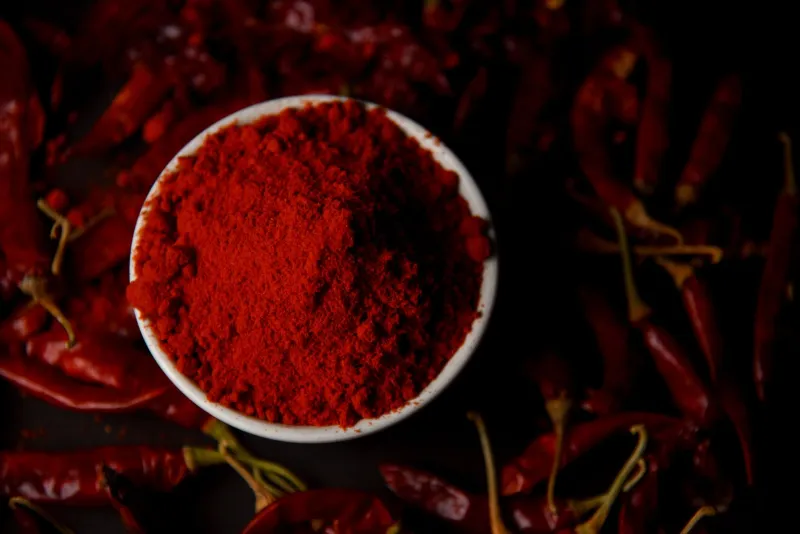
Color is another honest indicator. Fresh, potent paprika should be a vivid, saturated red — almost jewel-like. If the powder in the jar looks brick-brown or faded, it's probably been sitting on a shelf too long, regardless of the price. Don't be shy about opening a jar and taking a sniff before you buy if the store allows it. Good paprika smells sweet, earthy, and complex. Old paprika smells like almost nothing at all.
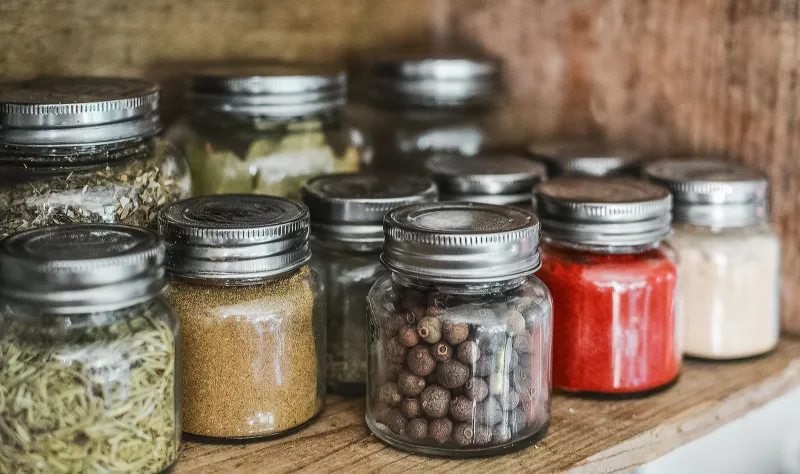
Avoid buying paprika in clear glass jars stored under direct store lighting — UV exposure degrades the flavor compounds faster than almost anything else. Tins and opaque containers are a better sign.
Where to Source Without Overpaying
Here's where budget shoppers can really win. Ethnic grocery stores — particularly Eastern European delis, Spanish markets, and Middle Eastern grocery stores — almost always carry imported paprika at prices well below what you'd pay at a national chain. A tin of genuine Hungarian paprika at a Polish deli in Chicago or a jar of Spanish smoked pimentón at a Latin market in Houston might cost $3–$5 and blow anything in a fancy jar at a specialty retailer completely out of the water.
Online bulk spice retailers like Penzeys, The Spice House, and Burlap & Barrel are worth knowing about even on a budget. Yes, some of their premium offerings cost more per ounce than supermarket brands, but the quality is dramatically higher and many offer smaller sample sizes. Buying a two-ounce bag of something exceptional often makes more sense than a four-ounce jar of something mediocre that you'll use twice and forget.
For the truly budget-conscious, Costco and warehouse clubs occasionally carry large tins of smoked paprika that work out to a fraction of the per-ounce cost of grocery store jars. The quality is solid for everyday cooking, even if it's not artisan-grade.
Storage Is Where Most People Leave Money on the Table
Here's the part nobody talks about enough: the single biggest factor in whether your paprika tastes great isn't where you bought it — it's how you store it after you get it home.
Heat, light, and moisture are the enemies. That means don't store your spices above or beside the stove, no matter how convenient it looks. The steam and ambient heat from cooking degrade paprika faster than almost anything else. A cool, dark cabinet or drawer is ideal. Some people swear by storing their most-used paprikas in the freezer in airtight containers — the cold environment genuinely extends potency, and the spice comes out ready to use without clumping.
Buy in quantities you'll actually use within six to twelve months. Paprika starts losing its vibrancy after about a year even under ideal conditions. A small jar that you burn through in two months is a better value than a giant container that's half-stale by the time you reach the bottom.
Label your jars with the purchase date. It takes about five seconds and saves you from ever having to do the "is this still good?" guessing game.
Building a Strategic Rotation
Once you've got your three core paprikas, think about the supporting cast of spices that work alongside them. Cumin, coriander, garlic powder, and dried oregano are all high-value, versatile spices that complement paprika beautifully across a wide range of cuisines — from Spanish rice dishes to Hungarian goulash to American barbecue rubs.
Buy these in small quantities from the same ethnic markets where you're sourcing your paprika. Rotate through them regularly. A tight, well-used spice collection of ten to fifteen truly fresh spices will outperform a drawer crammed with forty half-dead jars every single time.
The goal isn't to have everything. It's to have what you actually use, fresh and ready to go. That's the whole philosophy of cooking with bold flavors on a real-world budget — and it starts with taking your paprika seriously.