Red Pepper in Your Dessert? Yes, Really — Paprika's Sweet Side Is Worth Exploring

Somewhere along the way, we all internalized this unspoken rule: paprika lives in savory food. It belongs on deviled eggs, inside chicken rubs, and floating on top of hummus. It does not belong in a cake.
Except — it kind of does. And once you try it, the rule starts to feel pretty arbitrary.
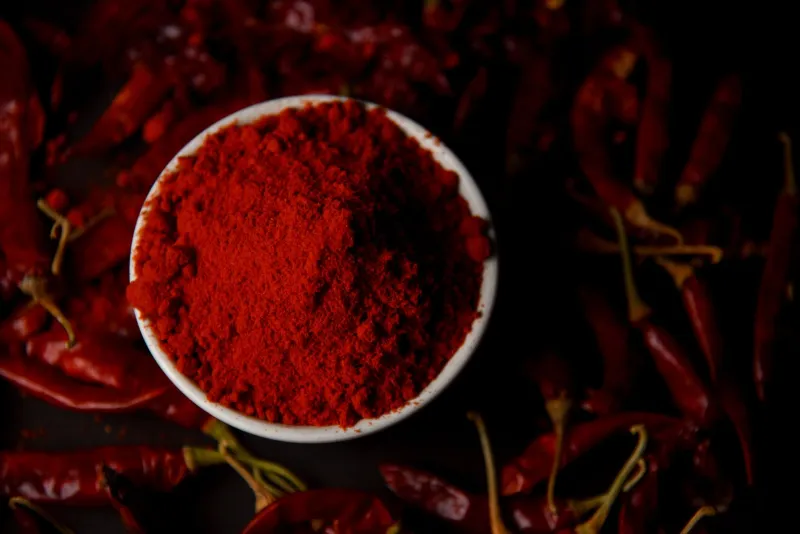
Paprika, at its core, is made from dried sweet or mildly spicy peppers. Those peppers are fruity, a little earthy, and in the smoked varieties, they carry a deep, almost chocolatey complexity. None of those qualities are inherently savory. They're just flavors. And when you start treating paprika the way you'd treat cinnamon or cardamom — as a spice that adds dimension to something sweet — some genuinely surprising things happen.
Let's talk about how to make it work.
Why Paprika and Sweetness Are More Compatible Than You Think
The flavor compounds in smoked paprika — particularly the ones created during the slow wood-drying process used in Spanish pimentón production — overlap significantly with the compounds in dark chocolate, roasted coffee, and brown butter. That's not a coincidence; it's chemistry. Slow heat applied to organic material creates similar flavor molecules whether you're roasting peppers, toasting cacao nibs, or caramelizing sugar.
This is exactly why smoked paprika is the variety to reach for in most dessert applications. Its earthiness provides a counterpoint to sweetness without adding the sharp, jarring heat that, say, cayenne would bring. Sweet Hungarian paprika also works well — it contributes a subtle fruitiness and body that amplifies fruit-forward desserts without announcing itself.
Hot paprika is trickier in sweets, but it's not off the table. The key is restraint — a small amount of heat in a rich chocolate dessert creates contrast that makes both the heat and the sweetness more vivid. Think of it the way you'd think about a pinch of fleur de sel on a caramel: it's not there to taste salty, it's there to make everything else taste more like itself.
Smoked Paprika Chocolate Cake
This is the gateway dessert. It's approachable, it works, and it will convert skeptics.
The smoked paprika doesn't make the cake taste like barbecue — that's the fear, and it's unfounded. What it does is deepen the chocolate flavor, adding a subtle earthiness that makes the whole thing taste more complex and less one-dimensional. It's the same principle as adding espresso powder to chocolate cake, just with a smokier, slightly fruity character.
What you'll need:
- Your favorite chocolate cake recipe (a standard two-layer devil's food works great)
- 1 teaspoon smoked paprika added to the dry ingredients
- ½ teaspoon hot paprika if you want a gentle heat undercurrent
- A frosting that plays along — cream cheese frosting with a pinch of smoked paprika stirred in is excellent, as is a dark chocolate ganache
Start with one teaspoon per standard two-layer cake. Taste the batter. If you want more presence, add another half teaspoon. The flavor will mellow slightly during baking, so don't be shy.
Paprika Caramel Sauce
If you only make one thing from this article, make this. It takes about fifteen minutes and it will make you feel like you invented something.
Make a standard dry or wet caramel — whichever method you're comfortable with — and when you pull it off the heat to add your cream and butter, stir in one teaspoon of smoked paprika and a quarter teaspoon of hot paprika. Finish with a generous pinch of flaky salt.
The result is a caramel that tastes like itself, but more so. There's a warmth at the back of the throat, a slight smokiness that keeps it from being cloyingly sweet, and a depth that's genuinely hard to identify if you don't know it's there. Drizzle it over vanilla ice cream, spoon it onto apple pie, or use it as a dipping sauce for churros. It's also exceptional stirred into a whiskey cocktail.
Spiced Stone Fruit Compote
Paprika and stone fruit — peaches, plums, nectarines, cherries — is a pairing that makes intuitive sense once you think about it. Both are sweet, slightly tangy, and built around fruity aromatic compounds. They speak the same language.
For a quick compote, combine two cups of sliced stone fruit with a quarter cup of sugar, a tablespoon of lemon juice, half a teaspoon of sweet paprika, and a quarter teaspoon of smoked paprika in a saucepan over medium heat. Cook until the fruit softens and the liquid thickens slightly, about ten to twelve minutes. Serve warm over yogurt, pound cake, or alongside a cheese plate.
The paprika here acts almost like a spice blend amplifier — it brings out the fruit's natural complexity and adds a savory-adjacent warmth that keeps the compote from tasting flat. It's a subtle effect, but once you've had it, the plain version feels like it's missing something.
The Cocktail Angle
Bartenders have been playing with savory spices in cocktails for a while now, and paprika is genuinely underused in this space. A smoked paprika simple syrup — made by simmering one cup each of sugar and water with a tablespoon of smoked paprika until dissolved, then straining — opens up a lot of possibilities.
Stir it into a mezcal sour for extra smokiness. Use it as the sweetener in a spiced old fashioned with rye. Mix it with fresh lime juice and tequila for a cocktail that tastes like a margarita and a michelada got together and made something new. The syrup keeps in the refrigerator for about two weeks and costs almost nothing to make.
A Few Rules of the Road
Before you start shaking paprika over everything in your kitchen, a couple of practical notes.
Start small and taste as you go. Paprika in desserts is about nuance — you want it to add dimension, not dominate. A quarter teaspoon in a big batch recipe is a reasonable starting point if you're nervous.
Match the paprika type to the dessert's character. Smoked paprika for rich, dark, or caramel-forward desserts. Sweet paprika for fruit-forward applications. Hot paprika as an accent only, and only when you want heat to be part of the experience.
And finally — tell people what's in it after they've tasted it, not before. The look on their face when they realize the thing they just said tasted amazing had paprika in it? That's half the fun.