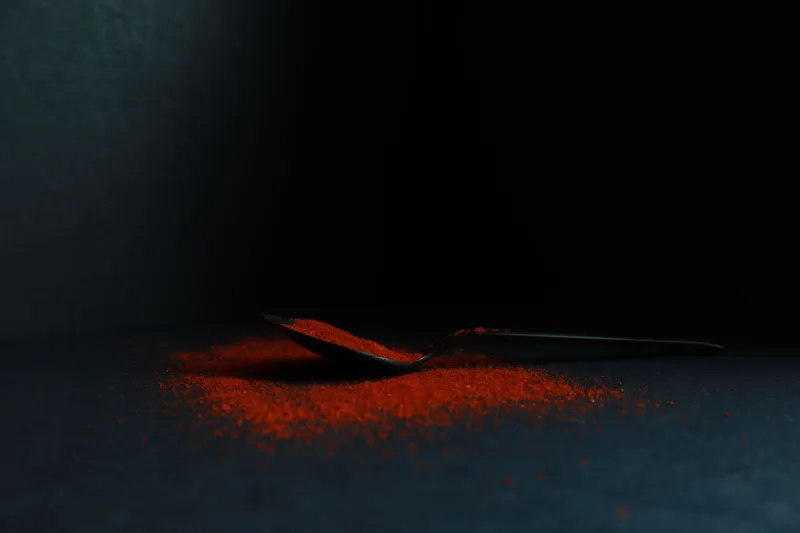
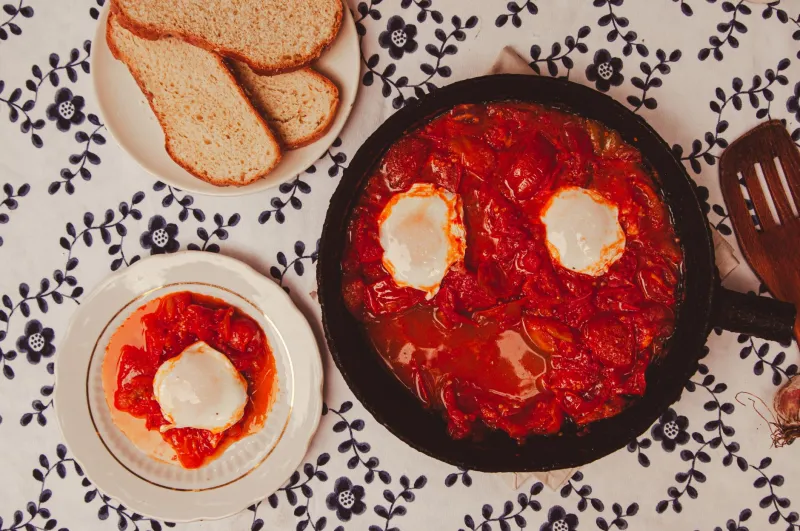
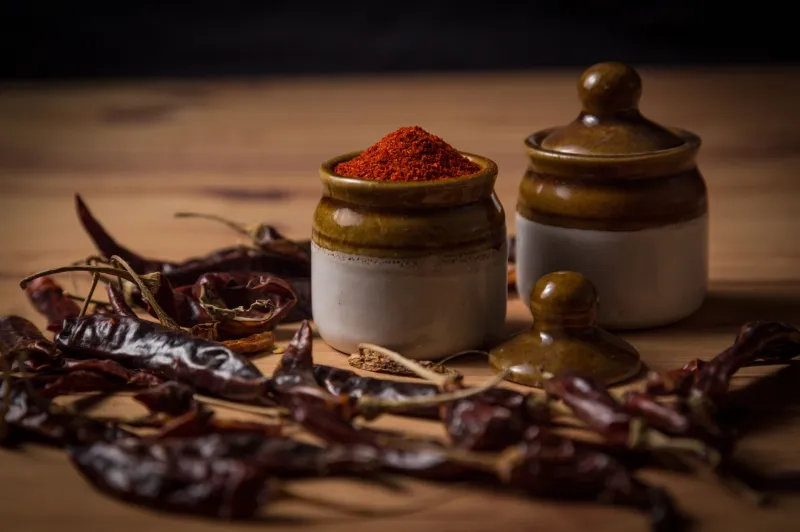
How Paprika Quietly Became One of America's Favorite Secret Ingredients
Ask someone to name a distinctly American spice and they'll probably say cayenne, or maybe garlic powder. Paprika rarely makes that list — and yet if you look closely at what's actually happening in American kitchens right now, it's everywhere. In competition BBQ rubs. In the mac and cheese at your favorite neighborhood restaurant. In the spice blend on those crispy smashed potatoes that keep showing up in your social media feed.
Paprika didn't just sneak into American cooking. It earned its place there, one dish at a time — and the story of how that happened is more interesting than you might expect.
A Spice With a Long Flight Path
Paprika's origin story starts in Central America, winds through Spain, and arrives in Hungary, where it became so deeply embedded in the national cuisine that it's basically synonymous with the country. Hungarian paprikash, goulash, langos — paprika is the backbone of all of it. When Hungarian immigrants came to the United States in the late 19th and early 20th centuries, they brought the spice with them, and it made quiet inroads into immigrant communities before eventually showing up in mainstream American cooking.
For decades, though, it mostly played a supporting role. You'd see it dusted on deviled eggs for color, sprinkled on potato salad, or listed in a recipe as one of seventeen ingredients where it barely registered. It was present but not prominent. Decorative more than functional.
That started changing in a serious way when American chefs began paying closer attention to Spanish pimentón — the smoked variety of paprika — in the early 2000s. The depth it added to dishes was hard to replicate with anything else, and once cooks started experimenting with it intentionally rather than reflexively, the whole conversation around paprika shifted.
Barbecue: Where Paprika Found Its American Identity
If there's one place paprika truly came into its own as an American ingredient, it's in barbecue — and specifically in the dry rub tradition.
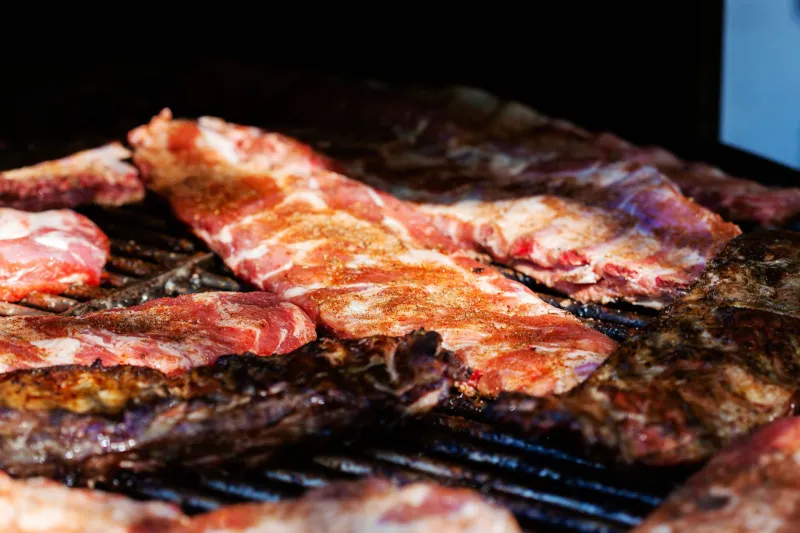
Kansas City-style BBQ has long leaned on sweet paprika as a foundational element of its signature rubs. The spice adds color, a mild sweetness that balances brown sugar and salt, and just enough body to help form that gorgeous bark on brisket and ribs. It's not the loudest ingredient in the mix, but pull it out and the whole thing falls flat.
More recently, the smoked paprika influence has spread beyond Kansas City into regional styles that wouldn't traditionally have used it. Texas pitmasters who are experimenting with competition-style rubs are reaching for smoked pimentón to add complexity without muddying the beef flavor. Backyard cooks in the Carolinas are mixing it into vinegar-based sauces for a subtle smoky undertone that works alongside — not against — the region's tangy traditions.
And then there are burnt ends, the Kansas City delicacy that's having a serious national moment. Those caramelized, saucy cubes of beef brisket point rely on paprika in the rub to develop that deep, almost lacquered crust. As burnt ends have migrated from regional specialty to menu staple across the country, they've brought their paprika-forward flavor profile with them.
The Mac and Cheese Upgrade Nobody Saw Coming
Here's a place you might not expect to find paprika doing serious work: macaroni and cheese.
But walk into any restaurant that's doing an elevated version of this American classic — the kind with multiple cheeses, a crunchy breadcrumb top, maybe some caramelized onions — and there's a good chance paprika is somewhere in the mix. Smoked paprika in particular has become a go-to addition for chefs who want to add depth to a cheese sauce without changing its essential character.
The reason it works so well comes down to chemistry and contrast. Rich, fatty cheese sauce benefits enormously from something with a little brightness and a savory, slightly bitter edge. Smoked paprika provides both, and it plays nicely with sharp cheddar, gruyère, and the fontina that tends to show up in fancier versions. A teaspoon or two stirred into the béchamel base, or bloomed in butter before the flour goes in, creates a complexity that makes people say "what is in this?" without being able to pinpoint exactly what it is.
That's paprika doing what it does best — enhancing without announcing itself.
Want to try it at home? Next time you make stovetop mac and cheese, bloom a teaspoon of smoked paprika in your butter before adding flour. Finish with a pinch of sweet paprika in the breadcrumb topping if you're baking it. The difference is immediate.
Sheet Pan Dinners, Grain Bowls, and the Weeknight Revolution
Beyond BBQ and comfort food, paprika has found a home in the weeknight cooking movement that's dominated American food media for the past decade. The sheet pan dinner — protein and vegetables roasted together at high heat — almost always benefits from paprika in the seasoning mix, because the spice caramelizes beautifully at oven temperatures and creates color and crust that you'd otherwise have to work much harder for.
Chicken thighs seasoned with smoked paprika, garlic, and olive oil and roasted at 425°F have become a weeknight staple for a reason: they look impressive, they taste deeply savory, and they take about ten minutes of actual work. The same principle applies to roasted chickpeas, cauliflower steaks, and the kind of spiced sweet potato situation that ends up on top of a grain bowl.
American home cooks have gotten significantly more adventurous with spices over the past fifteen years, driven by food media, cooking shows, and broader exposure to global cuisines. Paprika has benefited from that shift enormously — it's familiar enough to feel approachable but versatile enough to fit into almost any flavor direction a cook wants to go.
What American Chefs Are Actually Doing With It
At the restaurant level, paprika is showing up in some genuinely unexpected places. Smoked paprika aioli has become a standard condiment at upscale burger spots. Paprika-spiced honey — sweet paprika steeped with honey and a little heat — is being drizzled on fried chicken and pizza in ways that feel distinctly American even if the spice isn't. Cocktail rims, seasoned nuts, popcorn blends — paprika is finding its way into snack culture in a real way.
Chefs are also playing with layering different types of paprika in the same dish — a technique borrowed from Hungarian cooking but applied to decidedly American flavor profiles. Using sweet paprika for body, smoked for depth, and a touch of hot for finish creates a complexity that a single spice can't achieve on its own.
The Bigger Picture
Paprika's journey into modern American cooking isn't really a story about a foreign ingredient being adopted. It's a story about American cuisine doing what it's always done — pulling from everywhere, combining freely, and creating something that feels native even when it isn't.
That's the thing about paprika: it doesn't demand credit. It just makes everything taste better and then lets the dish take the bow. For a spice that traveled from Central America to Europe and back to American kitchens over several centuries, that kind of quiet confidence seems pretty well earned.
So the next time you reach for it — whether you're building a rub, finishing a sauce, or just seasoning a pot of something on a Tuesday night — know that you're part of a long, winding, genuinely delicious story.