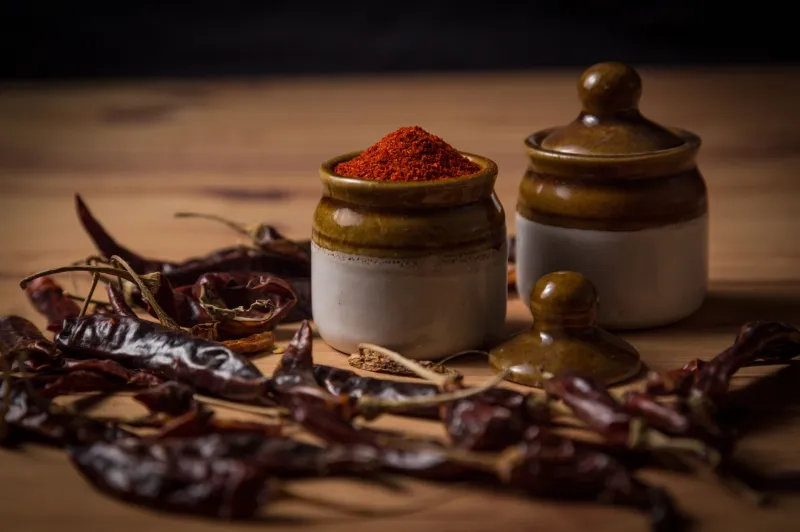
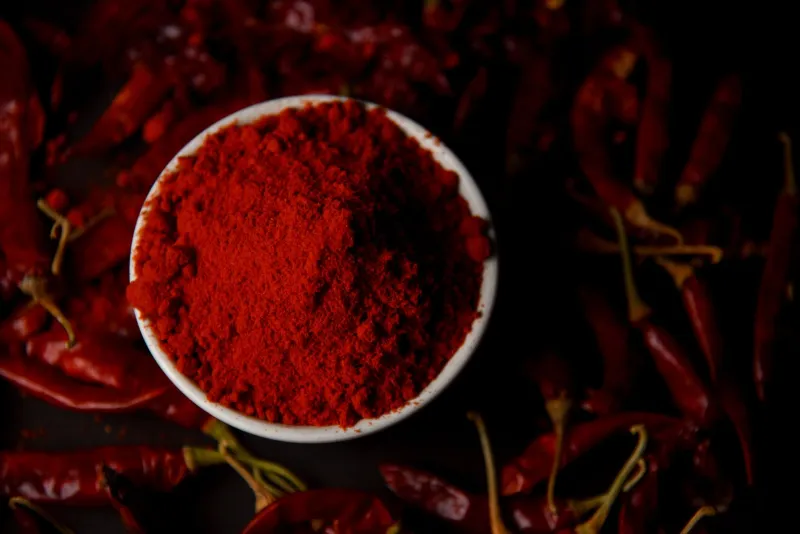
Why Chefs Get More Out of Paprika Than You Do — And How to Close the Gap
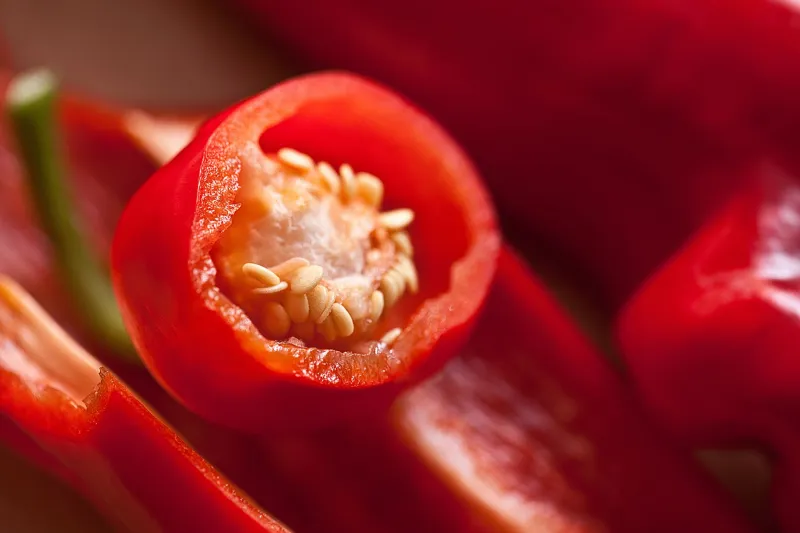
Let's be honest for a second. You've bought a decent tin of paprika. You've shaken it over chicken thighs, stirred it into soups, maybe even splurged on the imported Hungarian stuff. And yet — something's missing. The color is fine, sure, but that deep, almost smoky-sweet punch you get at your favorite Spanish tapas spot or that Hungarian bistro downtown? Nowhere to be found.
This isn't a paprika problem. It's a technique problem. And the good news is that once you understand what's actually happening in a professional kitchen, you can replicate most of it with zero extra equipment and no culinary degree required.
The Bloom That Changes Everything
If there's one single habit separating restaurant paprika from home-cook paprika, it's blooming — the practice of briefly cooking ground spice in hot fat before adding anything else to the pan.
Here's the science in plain English: paprika's most potent flavor compounds are fat-soluble, not water-soluble. That means when you sprinkle paprika directly into a broth or onto a piece of chicken sitting in its own juices, you're essentially locking most of its flavor potential behind a door that water can't open. Fat is the key.
Professional cooks know this instinctively. Before a sofrito hits the pan in a Spanish kitchen, before a goulash gets its color in Budapest-style cooking, the paprika goes into hot oil — usually for somewhere between 30 seconds and two minutes — and it blooms. The fat carries those fat-soluble compounds throughout the entire dish, which is why every single bite tastes like paprika, not just the parts closest to the spice jar.
Try it at home: heat two tablespoons of olive oil or butter over medium heat, add your paprika, and stir constantly for about 45 seconds until it smells deeply fragrant and the oil turns a vivid rust-red. Then build the rest of your dish on top of that base. You'll notice the difference immediately.
Heat Timing Is Everything
Blooming is step one, but timing matters just as much. Paprika contains natural sugars, which means it burns faster than you'd expect — and burned paprika tastes bitter in a way that no amount of salt or acid can fix.
Restaurant cooks work on higher-BTU burners than most home stoves, but they're also trained to control heat precisely and work fast. When they bloom paprika, they're watching it constantly, moving it around the pan, and adding the next ingredient — onions, garlic, tomatoes — within seconds of the spice hitting peak fragrance.
At home, the fix is simple: have everything prepped and within arm's reach before you start. Don't bloom paprika and then wander off to chop an onion. Thirty seconds of inattention can take your paprika from "incredible" to "acrid" real fast. Medium heat, constant motion, and an exit plan are your best friends here.
Quality Sourcing: What Restaurants Actually Buy
Here's an uncomfortable truth: a lot of the paprika sitting in American grocery store spice racks has been sitting in a warehouse, then on a shelf, for longer than anyone would like to admit. Ground spice loses its volatile aromatics — the compounds responsible for that bright, complex flavor — with time and light exposure.
High-volume restaurants that take their food seriously source paprika in smaller quantities from specialty importers, turning through product quickly enough that freshness isn't an issue. They're also more likely to specify origin: sweet Spanish pimentón de la Vera, which carries a protected designation of origin and a distinct smokiness from oak-drying, or Hungarian paprika from the Kalocsa or Szeged regions, which tends toward a fruitier, more rounded sweetness.
For home cooks, the move is twofold. First, buy from stores with high turnover — specialty spice shops, Latin or Eastern European grocery stores, or reputable online retailers — and buy in smaller amounts more frequently. Second, store paprika in a sealed container away from heat and light. A cabinet next to the stove might feel convenient, but the ambient heat is quietly killing your spice.
Layering: The Trick Nobody Talks About
Another professional habit that rarely makes it into home cooking advice: adding paprika at multiple points in the cooking process rather than all at once.
Think about building a dish like building a fire. You need different sizes of fuel at different stages. Paprika added early — bloomed in fat at the start — provides deep base notes and color that permeate the whole dish. Paprika added mid-cook reinforces that foundation. A small amount added near the end, or even as a finish, contributes a brighter, fresher note that keeps the dish from tasting one-dimensional.
This is why a bowl of goulash at a serious restaurant has that layered warmth that seems to keep unfolding — it's not magic, it's just multiple applications of the same spice at different moments.
A practical starting point: try using two-thirds of your paprika at the blooming stage and reserve one-third to stir in during the last few minutes of cooking. You don't need to overthink it. Just don't dump everything in at once.
The Toasting Move for Whole or Freshly Ground Paprika
If you're working with whole dried peppers or buying freshly ground paprika from a specialty source, there's one more restaurant trick worth knowing: dry toasting before grinding or using.
A quick pass in a dry skillet over medium-low heat — 60 to 90 seconds, shaking constantly — wakes up dried chiles and whole spices in a way that dramatically deepens their flavor. The same principle applies to paprika-style dried peppers. This is common in Turkish and Mexican kitchens, and it's the reason certain dishes have a roasted complexity that seems almost impossible to achieve without a wood-fired oven.
For pre-ground paprika, dry toasting is riskier because the smaller particle size means it burns fast. Stick to the blooming-in-fat method for ground spice. But if you ever get your hands on whole dried ñoras, anchos, or guajillos — all paprika-adjacent peppers — toast them dry before soaking or grinding.
Put It All Together
None of this requires a commercial range, a culinary school diploma, or an ingredient budget that would make your eyes water. The gap between restaurant paprika and home-cook paprika is almost entirely about understanding what the spice needs to perform at its best: good fat, the right heat, proper timing, quality sourcing, and the patience to layer rather than dump.
Start with the bloom. That one change alone will make you wonder why nobody told you sooner. Build from there, and you'll find that paprika — the same paprika you've been underestimating for years — has a lot more to say than you ever gave it credit for.