More Money, Less Flavor? The Truth About Paprika Pricing (And How to Find the Good Stuff)
Walk the spice aisle at any grocery store and you'll find paprika at just about every price point imaginable. There's the bargain tin for a buck-fifty, the mid-shelf domestic brand, and then — tucked somewhere near the artisan salts and single-origin vanilla — a tiny jar of imported paprika with a price tag that makes you do a double-take. Is that $18 paprika actually 10 times better than the grocery store stuff? Or are you just paying for a prettier label and a compelling backstory?
The honest answer is: it depends. And that's exactly the problem. The spice market doesn't have a clean, reliable relationship between price and quality. Knowing the difference between paprika that genuinely earns its premium and paprika that's just dressed up to look like it does is one of the more useful skills you can develop as a home cook.
Why Paprika Pricing Is All Over the Map
Unlike, say, saffron — where the labor-intensive harvest makes high prices easy to justify — paprika doesn't have an obvious built-in reason to be expensive. It's made from dried, ground red peppers. That's it. So when prices swing wildly, you're usually looking at a mix of legitimate factors (origin, freshness, processing method) and less legitimate ones (branding, import markup, packaging aesthetics).
The US spice market is flooded with paprika from Hungary, Spain, and a handful of other countries, but also with domestic blends that don't always disclose where the peppers actually came from. Some of those blends are fine. Some are genuinely stale before they even hit the shelf. The lack of transparency is where consumers tend to get burned — or more accurately, where they pay more and taste less.
What Actually Justifies a Higher Price
There are real reasons some paprika costs more, and they're worth knowing.
Origin and terroir. Just like wine grapes, peppers pick up characteristics from their growing environment. Hungarian paprika from the Kalocsa or Szeged regions has a distinct sweetness and depth that reflects the local soil and climate. Spanish pimentón de la Vera — made from peppers slowly smoked over oak — has a complexity that's genuinely hard to replicate with cheaper alternatives. These regional varieties are often more expensive because the growing conditions, harvesting practices, and processing traditions are specific and harder to scale cheaply.
Harvest method. Hand-harvested peppers that are dried and ground in smaller batches tend to retain more of their volatile oils — the compounds responsible for aroma and flavor. Industrial processing moves fast, which is efficient but often strips out some of that nuance in the name of consistency.
Freshness. This is the big one. Paprika is notoriously sensitive to time, light, and heat. A jar of genuinely fresh, high-quality paprika — even a moderately priced one — will almost always outperform an expensive jar that's been sitting in a warehouse or on a shelf for a year. When you're paying a premium, part of what you should be paying for is a faster supply chain and better storage practices.
Where the Marketing Tricks Come In
Here's where things get a little cynical — but useful.
Words like "artisan," "small-batch," and "hand-selected" are not regulated in the spice industry. Any brand can put them on a label without meeting a specific standard. Similarly, "imported" doesn't automatically mean better. Imported paprika that's been sitting in a container for months and then stored poorly at the distributor level can be significantly worse than a fresh domestic product.
Premium packaging is another common sleight of hand. A matte black tin with gold lettering and a serif font feels like quality. It might be quality. But the packaging budget and the spice budget aren't always in proportion. Some of the most reliably flavorful paprikas come in decidedly unsexy containers.
Finally, watch out for vague geographic claims. "European paprika" tells you almost nothing. Europe grows a lot of peppers. What region? What variety? The more specific the sourcing information, the more likely the brand is actually proud of what's in the jar — and has something real to back it up.
How to Evaluate Paprika Without Relying on the Price Tag
So if you can't just trust the price, what should you be looking for?
Smell it before you buy it (when possible). A good paprika should hit you immediately — rich, slightly sweet, earthy, with a warmth that builds. If you open a jar and the smell is faint, dusty, or just vaguely "red," it's already past its prime. Specialty spice shops often let you smell before you buy, which is a significant advantage over buying online.
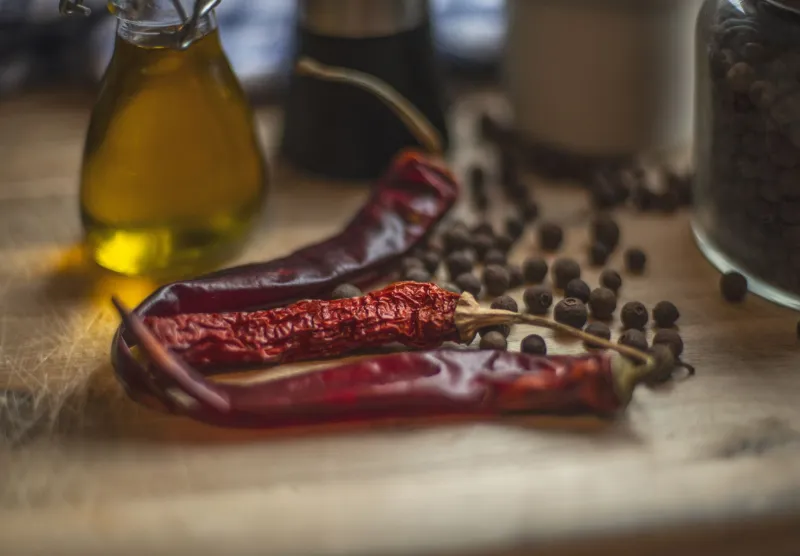
Check the color. Fresh paprika should be a vivid, almost electric red or deep brick-red depending on the variety. Brownish, faded, or dull-looking paprika has likely oxidized. Color isn't a perfect indicator, but it's a fast one.
Look for a harvest or pack date. Some better brands include this on the label. A pack date within the last 12 months is a reasonable benchmark. If there's no date at all, that's worth noting.
Read the label for specifics. Does it tell you the pepper variety? The region? How it was dried or processed? More detail generally means more accountability — and often, more flavor.
Buy smaller quantities more often. This applies regardless of price point. A modest-sized jar of fresh mid-range paprika will serve you better than a large container of expensive paprika you're still working through two years later. Freshness beats pedigree every time.
The Sweet Spot Most Home Cooks Miss
Here's the practical takeaway: the best value in paprika usually lives in the mid-range, from a source that prioritizes freshness and specificity over prestige. Specialty spice retailers — both online and brick-and-mortar — tend to move product faster than big-box stores, which means better turnover and fresher stock. Brands that specialize in spices (rather than selling spices as an afterthought alongside everything else) generally have more incentive to care about the supply chain.
That doesn't mean the expensive stuff is never worth it. A tin of genuine pimentón de la Vera from a reputable importer is a genuinely different ingredient — smoky, complex, almost meaty — and it earns its price for certain applications. But for everyday cooking, a fresh, well-sourced mid-priced paprika will make your deviled eggs, your chicken thighs, and your spice rubs taste better than a stale luxury brand every single time.
Paprika is one of those spices that rewards attention more than spending. Know what you're looking for, buy fresh, and don't let a fancy label do your thinking for you. Your food will thank you.