Dead Spices, Wasted Money: How to Audit Your Spice Drawer and Know What to Replace First
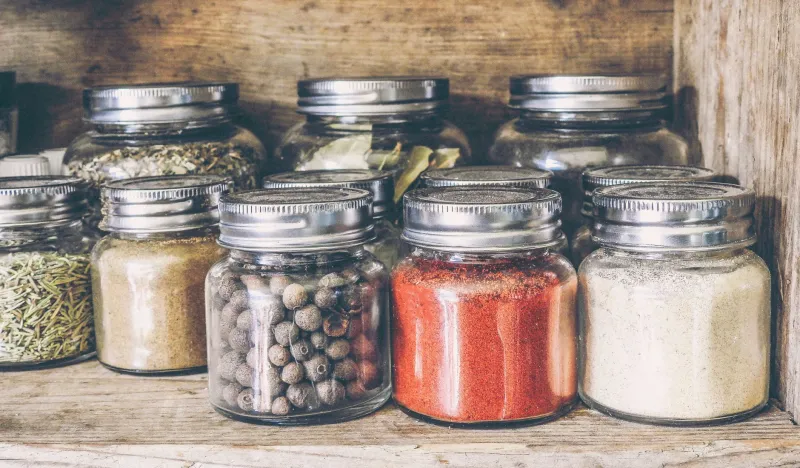
Let's be honest for a second. Most of us have a spice drawer — or a cabinet, or a chaotic little shelf above the stove — that's basically a graveyard. Jars from three apartments ago. A tin of smoked paprika with a faded label and a best-by date that predates a certain global pandemic. A half-empty bottle of ground cumin that you think you bought last year but honestly can't be sure.
Here's the uncomfortable truth: stale spices don't just taste like nothing. They actively make your food worse. And the way different spices age is wildly uneven — meaning your approach to rotating that collection probably needs a serious rethink.
So let's dig in. No shame, just facts, and a practical plan for making your spice drawer actually work for you.
Why Spices Go Bad (It's More Complicated Than You Think)
Spices don't spoil the way meat or dairy does. You're not going to get sick from a four-year-old jar of oregano. What you will get is flavor that's flat, muted, or in some cases, weirdly off — like a faint ghost of what the spice used to taste like.
The culprit is oxidation. When ground spices are exposed to air, light, and heat over time, the volatile aromatic compounds that give them their punch start to break down. Essential oils evaporate. Pigments degrade. What's left behind is essentially a colored powder with minimal payoff.
The speed at which this happens depends on a few things:
- Surface area: Ground spices oxidize faster than whole spices because more of the spice is exposed to air.
- Oil content: Spices with higher natural oil content — think cumin, coriander, and especially paprika — can turn rancid as well as stale, which adds a bitter or musty edge.
- Storage conditions: Heat and light are the enemies. That rack mounted next to your stove? Worst possible location. Every time you turn on a burner, you're accelerating the aging process on every jar within two feet.
The Shelf Life Reality Check
Here's a rough breakdown of how long common ground spices actually hold their flavor under decent storage conditions (cool, dark, airtight):
- Ground paprika: 6–12 months for peak flavor; usable up to 2 years but noticeably weaker after the first year
- Ground cumin: 1–2 years
- Chili powder (blends): 1–2 years
- Ground coriander: 1–2 years
- Ground cinnamon: 2–3 years
- Ground ginger: 2–3 years
- Dried oregano and thyme: 1–3 years
- Whole peppercorns: 3–5 years
- Whole dried chiles: 1–2 years
- Salt: Indefinite (it's a mineral — it doesn't go bad)
Notice anything? The spices with the shortest shelf life are almost all the ones you use most in savory, bold cooking — the exact flavor-forward stuff that defines what we do here at Paprika 53.
Why Paprika Ages Faster Than You'd Expect
Paprika deserves its own section here because it's one of the most misunderstood spices when it comes to freshness.
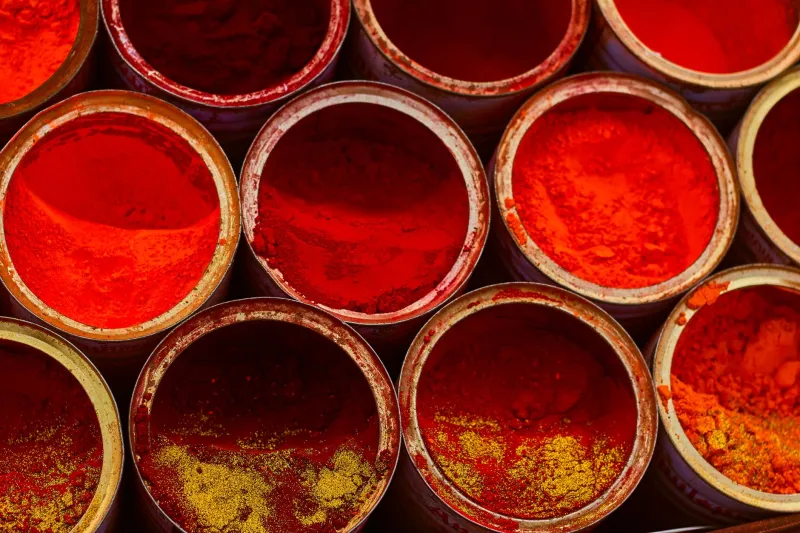
Unlike, say, ground ginger — which loses potency gradually and relatively gracefully — paprika's quality drop-off can be dramatic. Fresh paprika has a vibrant red color, a rich aroma that's fruity, earthy, or smoky depending on the variety, and a flavor that actually contributes something to a dish. Old paprika turns brick-orange or brownish, smells faintly of dust, and adds color (barely) but almost zero taste.
The reason? Paprika is essentially a concentrated form of dried red pepper, and red peppers are loaded with carotenoids and volatile aromatic compounds that are particularly sensitive to oxidation and light exposure. Smoked paprika has an extra layer of complexity from the smoking process — and that smokiness is often the first thing to fade.
If you've ever followed a recipe that called for a tablespoon of paprika and thought, this doesn't really taste like much — stale paprika is probably the reason.
How to Actually Audit Your Spice Drawer
You don't need to spend a Saturday afternoon on this. Here's a quick process:
Step 1: Pull everything out. Yes, everything. You need to see what you're working with.
Step 2: Check the dates. Most US spice brands print a best-by date on the bottom or back of the jar. If it's expired by more than a year, it's almost certainly past its prime.
Step 3: Smell it. This is the real test. Open the jar, give it a sniff. Does it smell like something? Does it smell like that spice specifically? If it smells like very little, or like the inside of a cabinet, it's done.
Step 4: Look at the color. Paprika should be a deep, saturated red. Cumin should be warm brown. Turmeric should be vivid yellow-orange. Faded, dull colors are a sign the volatile compounds have broken down.
Step 5: Make a triage list. Divide your collection into three groups:
- Still good (smells strong, looks vibrant, within date)
- Marginal (slightly past date, smell is faint but there — use soon or replace)
- Dead (no smell, faded color, way past date — toss)
A Replacement Strategy That Actually Makes Sense
Here's where a lot of people go wrong: they try to replace everything at once, spend $60 at a specialty spice shop, and then don't cook any differently than they did before. Or they feel guilty about the waste and keep the old stuff "just in case."
Instead, think about replacement as a rotation, not a one-time overhaul.
Priority 1 — Paprika. This is your non-negotiable. If you cook savory food with any regularity, you should be buying fresh paprika at least once a year, and ideally more often if you use it frequently. Buy smaller quantities more often rather than the giant economy jar that'll sit there for three years. At most grocery stores, a good 2-oz tin of Spanish or Hungarian paprika runs $4–7 — cheap enough that there's no good reason to let it go stale.
Priority 2 — Your most-used blends. Chili powder, curry powder, and similar blends are basically a collection of ground spices in one jar, and they age accordingly. If you make chili or curry even a few times a year, replace these annually.
Priority 3 — Ground cumin and coriander. These are workhorses in American home cooking (think tacos, roasted vegetables, grain bowls) and they age faster than most people realize. Replace yearly.
Lower priority — Whole spices and dried herbs. Whole cumin seeds, whole coriander, whole cloves, dried bay leaves — these hold up much longer. You don't need to replace these as aggressively.
Storage Habits Worth Actually Adopting
Once you've got fresh spices, keep them that way:
- Move them away from the stove. A drawer, a cabinet on a different wall, or a pantry shelf is all better than a rack above the burners.
- Keep lids tight. Seems obvious, but loose lids are a major source of premature oxidation.
- Avoid the fridge. Contrary to popular belief, refrigerating spices introduces moisture every time you open them, which accelerates clumping and degradation.
- Buy from stores with high turnover. A specialty spice shop or a busy international grocery will almost always have fresher stock than a dusty corner of your local big-box store.
The Bottom Line
Your spice drawer is only as good as its freshest jar. And in a spice-forward kitchen — the kind we're always cooking in around here — that freshness matters more than almost any other pantry variable.
Start with the paprika. Smell it right now. If it doesn't smell like something bold and alive, toss it and get a new one. That single swap will do more for your weeknight cooking than a new pan or a fancier recipe ever could.