Your Favorite Paprika Is Getting Harder to Find — Here's What's Coming and How to Stay Ahead of It
If you've wandered down the spice aisle lately and done a double-take at the price of a good Hungarian sweet paprika — or noticed your usual brand was just... gone — you're not imagining things. Something is shifting in the global paprika market, and it's not a blip. It's a slow-moving wave that's already lapping at the shores of American grocery stores and specialty spice shops alike.
We're not here to panic you. But we do think you deserve the full picture, because understanding what's happening is the first step to cooking around it.
The Fields Are Struggling
Hungary and Spain are the two heavyweights of the paprika world, and both have had a rough few years. Hungary — the spiritual home of sweet and hot paprika, the country that practically gave the spice its modern identity — has been dealing with increasingly erratic growing seasons. Drier summers, unpredictable frosts, and reduced arable land dedicated to pepper cultivation have all chipped away at yields. The famous Kalocsa and Szeged growing regions, which supply a huge portion of the world's premium paprika, are producing less than they once did.
Spain, meanwhile — the source of much of the smoked paprika (pimentón) that's become a pantry staple for American cooks — has faced its own climate pressures. The La Vera region in Extremadura, where peppers are traditionally dried over oak fires to create that irreplaceable smoky depth, has seen water scarcity become a genuine threat to long-term production.
These aren't isolated bad seasons. They're part of a broader agricultural stress pattern that growers, importers, and food industry analysts are taking seriously.
Trade and Logistics Are Adding Fuel to the Fire
Climate isn't the only variable. Geopolitical friction has made international food trade more complicated across the board, and specialty spices aren't immune. Import costs have climbed. Shipping delays that became normalized during the pandemic haven't fully resolved. And some smaller importers who specialize in high-quality, single-origin paprika are finding it harder to operate at the margins they once could.
For US consumers, this plays out in a few specific ways: prices go up, certain premium varieties disappear from shelves for months at a time, and the products that do stay available sometimes quietly shift in quality as suppliers reformulate blends to manage costs. That last one is the sneaky one — you might not notice immediately, but if your paprika chicken suddenly tastes a little flat, it's worth checking whether your tin got a quiet downgrade.
Which Varieties Are Most at Risk?
Not all paprika is equally exposed. Here's a rough breakdown of where the vulnerability lies:
Hungarian sweet and hot paprika are the most directly affected by the crop issues described above. If you rely on genuine Hungarian-origin paprika — look for labels that specify Kalocsa or Szeged — expect tighter availability and higher prices over the next couple of years.
Spanish smoked paprika (pimentón de la Vera) carries a Protected Designation of Origin (PDO), which means it can only come from one specific region. That's great for quality control, but it also means there's no geographic workaround when that region has a bad year. Smoked paprika from La Vera is one of the harder items to substitute, and supply disruptions hit harder when there's no backup source.
Generic domestic blends are actually the most stable option right now, since they're typically sourced from multiple countries and reformulated based on what's available. The tradeoff is that they lack the depth and character of single-origin paprika — but they're reliable.
What Smart Cooks Are Doing Right Now
This isn't a call to clear the shelves like it's toilet paper in March 2020. But there are some genuinely sensible moves to make if paprika is a cornerstone of how you cook.
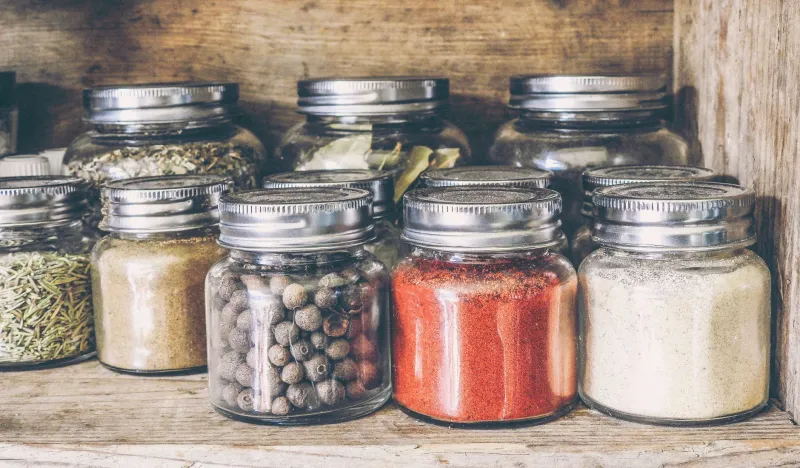
Buy in slightly larger quantities when you find quality. Paprika stored properly — in an airtight container, away from heat and light — can hold its flavor for up to two years. If you come across a trusted brand of Hungarian sweet or Spanish smoked paprika at a good price, picking up two tins instead of one is just practical kitchen management, not hoarding.
Explore Moroccan and Turkish paprika alternatives. These are often overlooked in American kitchens but are increasingly available through specialty importers and online retailers. Moroccan sweet paprika has a slightly earthier, more complex profile than its Hungarian counterpart. Turkish paprika — especially the coarser, oilier varieties — brings a richness that works beautifully in braises, marinades, and spice rubs. Both tend to be more price-stable right now because they're sourced from different supply chains.
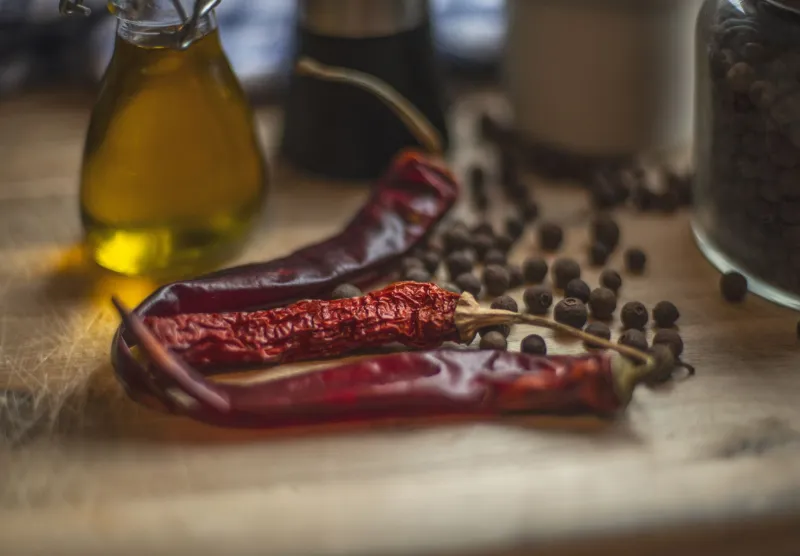
Reconnect with whole dried peppers. This is the move that professional cooks have always known about. Dried ancho, guajillo, and mulato chiles can replicate a lot of what paprika does in slow-cooked dishes — deep red color, fruity-sweet backbone, mild heat — at a fraction of the cost. Toasting and grinding them yourself takes maybe ten minutes and produces something genuinely spectacular.
Don't sleep on domestic hot sauce and chile pastes. In a pinch, a small amount of a quality chile paste (like a good adobo base or a New Mexico red chile purée) can step in where paprika would normally anchor a dish. You're adjusting the form, not the flavor principle.
The Bigger Picture for Your Spice Cabinet
What's happening with paprika is a preview of a broader conversation American home cooks are going to be having more and more: what does it mean to cook with globally sourced ingredients when global supply chains are genuinely unpredictable?
The answer isn't to give up on the ingredients you love. It's to understand them deeply enough to adapt. Knowing why Hungarian paprika tastes the way it does — the specific pepper varieties, the drying methods, the regional soil — makes you a better cook even when that paprika is sitting right there on your shelf. And it makes you a much more resourceful cook when it isn't.
At Paprika 53, we've always believed that spice-forward cooking is about confidence and curiosity, not rigid ingredient lists. The supply chain is throwing some curveballs right now. Consider this your scouting report.
Stock smart, substitute boldly, and keep cooking.