Smoked, Sweet, or Hot: A No-Drama Guide to Picking the Right Paprika for Your Kitchen

Photo by Photo by Tamara Malaniy on Unsplash on Unsplash
You're standing in the spice aisle. There are three different paprikas staring back at you — smoked, sweet, and hot — and the labels are doing absolutely nothing to help. So you grab the one that looks most familiar, get home, and wonder for the hundredth time whether you bought the right one.
We've all been there. And honestly, the confusion is understandable. Paprika varieties look similar, carry vague descriptions, and get lumped together in recipes that often just say "paprika" without specifying which kind. But here's the deal: these three spices are not interchangeable. They do different things, they shine in different recipes, and buying the wrong one for your cooking style is a quiet waste of both money and flavor.
Let's fix that.
Sweet Paprika: The One You Probably Already Have (and Might Be Underusing)
Sweet paprika is the default — the version most grocery stores stock in the largest quantity and the one most American recipes mean when they just say "paprika." Made from dried, mild red peppers, it has a gentle fruitiness, a subtle earthiness, and almost no heat. Think of it as the foundational layer.
What it actually does in cooking: Sweet paprika adds color and a soft, rounded depth of flavor. It doesn't punch you in the face. It fills in. It's the reason a simple chicken rub tastes like more than the sum of its parts, the reason deviled eggs have that warm finish, the reason a pot of chili develops complexity without getting aggressive.
Best for:
- Everyday seasoning blends
- Soups, stews, and braises where you want background warmth
- Dishes with dairy (sour cream, cream cheese, butter) — the fat carries sweet paprika's flavor beautifully
- Chicken paprikash, goulash, or any Central European-inspired dish
- Beginners who are just starting to cook with paprika seriously
Common mistake: Using it as a garnish only. Sweet paprika needs heat and fat to bloom. Sprinkle it on top of something cold and you'll get color. Cook it in oil for 30 seconds before adding other ingredients and you'll get flavor. That's a completely different experience.
If you only buy one paprika: This is your starting point. A fresh jar of quality sweet paprika is the most versatile thing you can add to your spice rack right now.
Smoked Paprika: The Showstopper With Serious Range
Smoked paprika — pimentón de la Vera if you want the Spanish original — is made from peppers that are dried over oak wood fires before grinding. That process gives it a deep, campfire-adjacent smokiness that is completely unlike anything you get from the sweet variety. It smells like a summer cookout in a jar. It's extraordinary.
What it actually does in cooking: Smoked paprika adds complexity and a pseudo-grilled quality to food even when there's no grill involved. It makes roasted vegetables taste like they came off a fire. It gives meat rubs a depth that takes hours off slow-cook flavor development. It's also the secret weapon for vegetarian and vegan cooking — a generous hit of smoked paprika in lentils, beans, or roasted cauliflower adds the kind of savory, almost meaty richness that plant-based dishes often miss.
Best for:
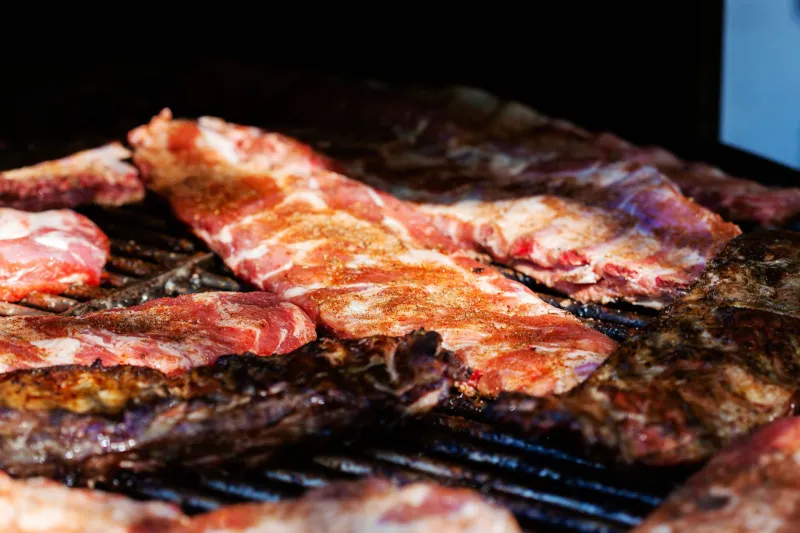
- Dry rubs for ribs, brisket, chicken thighs, or pork shoulder
- Roasted vegetables (potatoes, chickpeas, carrots)
- Shakshuka, romesco sauce, and paella
- Vegan and vegetarian dishes that need a flavor anchor
- Anything where you want a hint of the grill without firing one up
Common mistake: Using too much. Smoked paprika is assertive. A tablespoon where the recipe calls for a teaspoon will make your dish taste like an ashtray. Start conservative and build up. You can always add more; you can't take it back.
Quick recipe test: Toss a can of drained chickpeas with olive oil, a teaspoon of smoked paprika, half a teaspoon of garlic powder, and a pinch of salt. Roast at 400°F for 25 minutes. Taste one. That's what smoked paprika can do with almost no effort.
Hot Paprika: The One That Actually Bites Back
Hot paprika is made from spicier pepper varieties and has real heat — not cayenne-level nuclear, but enough to notice. The heat level varies significantly by brand and origin (Hungarian hot paprika tends to be more complex; some generic versions are just sharp and one-dimensional), so tasting before you cook is always a good call.
What it actually does in cooking: Hot paprika gives you heat with a paprika flavor base, which is different from using cayenne or chili flakes. The heat is warmer, rounder, and more integrated. You get spice without that sharp, immediate burn that cayenne delivers. It's a more nuanced kind of hot.
Best for:
- Dishes where you want heat that builds slowly rather than hits immediately
- Spicy paprikash or goulash variations
- Sausage seasoning (it's traditional in Hungarian and Spanish charcuterie)
- Spice rubs where you want complexity alongside the heat
- Cooks who already have sweet and smoked paprika and want to expand their range
Common mistake: Treating it as a substitute for cayenne. Hot paprika and cayenne are not the same thing. Cayenne is hotter and more one-note. Hot paprika has depth and fruitiness alongside the heat. Swapping them 1:1 in a recipe will get you a different dish — not necessarily a worse one, but a different one.
The Decision Tree: Which One Should You Buy Right Now?
Stop overthinking it. Here's the short version:
Buy sweet paprika if:
- You don't have any paprika, or yours has been open for more than a year
- You cook a lot of soups, stews, chicken dishes, or egg-based recipes
- You're new to cooking with paprika intentionally
Buy smoked paprika if:
- You already have sweet and want to level up
- You cook a lot of roasted vegetables, grilled meats, or plant-based meals
- You want one spice that can make simple weeknight food taste genuinely impressive
Buy hot paprika if:
- You already use sweet and smoked regularly
- You like heat but want more flavor complexity than cayenne gives you
- You're making traditional Hungarian or Spanish dishes and want authenticity
The One Rule That Applies to All Three
Freshness. It matters more than brand, more than price, more than anything else on this list. Ground paprika — all three varieties — loses its potency fast. If yours has been open for more than 12 months, or if you can't smell anything when you open the jar, it's not helping your food. It's just adding color.
Buy small quantities. Buy fresh. And store your paprika away from heat and light — that means not on the shelf above your stove, where most people keep it and where most paprika quietly dies.
Get that part right, and whichever variety you choose will actually do what it's supposed to do: make your food taste better in ways you'll notice immediately and wonder why you didn't start sooner.