Paprika Gets Weird (In the Best Way): How America's Kitchens Are Reinventing a Classic Spice
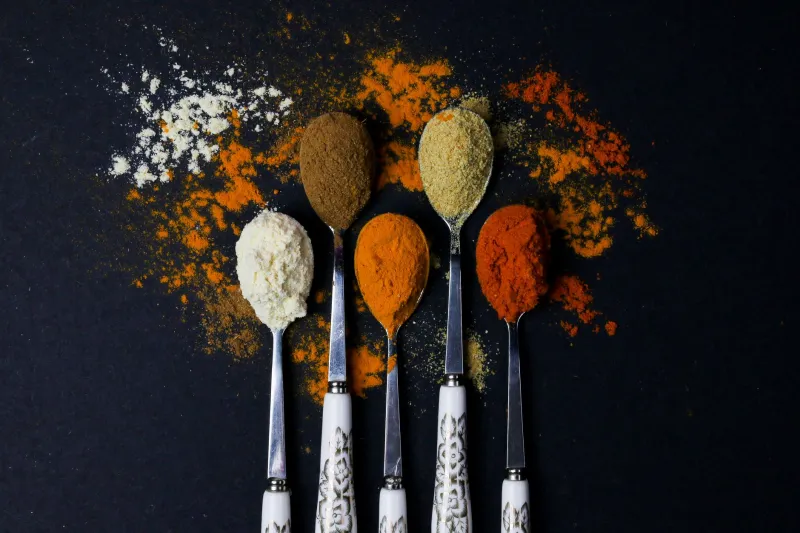
For most of its American history, paprika played one role: garnish. That orange powder on top of your deviled eggs at a 1970s dinner party wasn't there for flavor — it was there for color. Decoration. A visual cue that someone had tried.
That reputation stuck around for decades. Paprika became the wallflower of the spice rack. Present at every party, noticed by nobody.
Something shifted. It's hard to pin down exactly when, but over the last few years, paprika has been turning up in places that would have seemed genuinely bizarre not long ago. Smoked paprika in a Negroni riff. Hot paprika folded into caramel for a salted chocolate bark. Paprika-cured duck prosciutto at a charcuterie-focused restaurant in Nashville. Paprika soft serve at a pop-up in Los Angeles that sold out in 45 minutes.
This isn't novelty for novelty's sake. There's a real culinary logic underneath the weirdness — and understanding it opens up a lot of interesting territory for home cooks, too.
Why Paprika Is Actually Perfect for Experimentation
The reason paprika works in unexpected contexts comes down to its flavor architecture. Unlike a single-note spice like cayenne (pure heat) or turmeric (earthy bitterness), paprika is genuinely complex. Depending on the variety, you get sweetness, smoke, fruitiness, mild heat, and a kind of rounded depth that plays well with fat, acid, and sugar.
That complexity makes it unusually versatile. Sweet paprika behaves almost like a savory-leaning spice in dessert contexts — it can bridge the gap between a caramel and a barbecue rub without feeling out of place in either. Smoked paprika adds a campfire note to cocktails that mimics the effect of a charred wood plank without any actual burning. Hot paprika in chocolate is basically just a more interesting version of chili chocolate, with less aggression and more nuance.
Chefs experimenting with paprika aren't reinventing the wheel — they're just finally using the whole wheel.
The Restaurant Moves Worth Paying Attention To
Across the country, a handful of culinary directions have been gaining traction.
Paprika in cocktails. Bartenders have been playing with spice-washed spirits and infused syrups for years, but smoked paprika specifically has found a niche in smoky, spirit-forward drinks. A paprika-infused honey syrup in a mezcal cocktail adds warmth without the blunt edge of chili tinctures. Some bars are using a smoked paprika salt rim as an alternative to Tajín — similar concept, completely different flavor profile.
Paprika in charcuterie and cured meats. This one has deep historical roots (Spanish chorizo, Hungarian kolbász), but American charcutiers are taking the concept further — applying paprika rubs to duck breast, lamb shoulder, and even cured salmon in ways that feel more Pacific Northwest than Eastern European.
Paprika in desserts. This is where things get genuinely interesting. The combination of sweet paprika with dairy fat — cream, butter, milk chocolate — creates a flavor that's hard to categorize but easy to like. It's warm without being spicy, complex without being weird. A few pastry chefs have started treating sweet paprika the way they'd treat cardamom: as a background note that makes everything around it taste a little more interesting.
Three Home Recipes Worth Trying Right Now
You don't need a restaurant kitchen or a culinary degree to start experimenting. Here are three accessible entry points.
Smoked Paprika Honey Warm 1/2 cup of good honey in a small saucepan over low heat. Stir in 1 teaspoon of smoked paprika and a pinch of flaky salt. Let it steep off heat for 10 minutes, then strain if you want it smooth (or don't — the texture is nice). Use it on cheese boards, drizzled over roasted carrots, stirred into cocktails, or spooned onto vanilla ice cream. It keeps in a jar for weeks.
Sweet Paprika Caramel Sauce Make a basic caramel: 1 cup sugar, 1/4 cup water, cooked to amber. Pull it off heat and add 1/2 cup heavy cream carefully (it'll bubble hard), then 2 tablespoons butter, 1 teaspoon sweet paprika, and 1/2 teaspoon flaky salt. Stir until smooth. The paprika adds a faint fruitiness that makes this caramel taste almost like it has stone fruit in it. Incredible over brownies or spooned into plain yogurt.
Paprika-Cured Salmon Combine 1/4 cup kosher salt, 2 tablespoons sugar, 2 tablespoons hot or sweet paprika (your call), and 1 teaspoon black pepper. Pack this cure around a 1-pound salmon fillet, wrap tightly in plastic, and refrigerate for 24-36 hours. Rinse, pat dry, and slice thin. The paprika stains the exterior a deep red and adds a savory complexity that straight-up salt cure doesn't have. Serve on rye crackers with crème fraîche.
What This Moment Actually Means
Paprika's resurgence isn't happening in a vacuum. It's part of a broader shift in how American cooks — both professional and home — are thinking about spice. The old model was spice as heat delivery mechanism. The newer model treats spice as flavor architecture: layered, intentional, and capable of doing things heat alone can't.
Paprika, with its range of varieties and its genuine complexity, is well-suited for that kind of cooking. It rewards attention. It responds to technique. And it has enough range — from mild and sweet to hot and smoky — that you can find a version of it that works in almost any context.
The deviled egg dusting isn't going anywhere. But it's nice to know there's a lot more going on underneath that orange surface.