Same Spice, Wildly Different Soul: How Geography Transforms Paprika Into Three Completely Distinct Ingredients
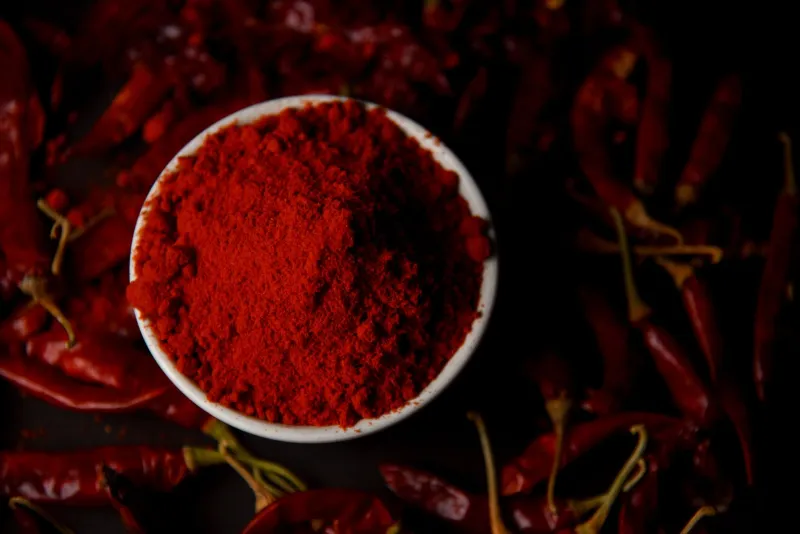
There's a jar of paprika sitting in your spice cabinet right now. Odds are it's been there for a while. Maybe you shake a little over deviled eggs before guests arrive, or dust it across roasted chicken for color. It tastes vaguely sweet, vaguely earthy, and mostly just red.
Now imagine someone hands you a pinch of Spanish smoked paprika — deeply rustic, almost meaty, with a campfire backbone that lingers. Then a Hungarian hot paprika lands on your tongue: fruity, pungent, alive with a slow-building heat. Suddenly, "paprika" as a single concept starts to fall apart.
That's the paprika paradox. One spice, one name — but depending on where those peppers were grown, dried, and ground, you could be dealing with three radically different culinary tools. Let's break down the geography of this spice and figure out what's actually happening.
Why Where It Grows Changes Everything
Paprika is made from dried, ground Capsicum annuum peppers — a broad species that includes everything from sweet bells to fiery chiles. But like wine grapes or coffee beans, the same plant grown in different soils, climates, and altitudes will produce fruit with completely different characteristics. Farmers call this terroir, a French term borrowed from the wine world that essentially means "a sense of place."
Soil composition affects sugar content and pepper wall thickness. Rainfall patterns determine how concentrated the flavors become. Altitude influences the development of capsaicin — the compound responsible for heat. And perhaps most dramatically, the method used to dry the peppers after harvest can transform a mildly sweet fruit into something smoky, funky, or almost floral.
All of that shows up in your food. Here's how the world's three major paprika-producing regions each pull the spice in a different direction.
Hungary: The Fruity, Complex Original
When most food historians talk about paprika's spiritual home, they point to the Kalocsa and Szeged regions of southern Hungary, where the spice has been cultivated since the 17th century. The Danube Plain offers rich, alluvial soil with warm summers and just enough humidity to grow peppers that are thick-walled, deeply pigmented, and naturally sweet.
Hungarian paprika is classified across eight official grades, ranging from különleges (exquisite, the mildest and most vibrant red) to erős (strong, noticeably hot). Most of what's exported to the US falls somewhere in the sweet-to-medium range, and the flavor profile is genuinely complex: think sun-dried tomato, a whisper of dried cherry, a subtle bitterness on the back end, and almost no smokiness whatsoever.
Tasting notes: Fruity, slightly tangy, rich red color, mild to moderate heat depending on grade.
Best used for: Hungarian goulash (obviously), chicken paprikash, creamy paprika-spiked sauces, and anything where you want deep, warm flavor without smokiness getting in the way. It also blooms beautifully in butter or lard — fat is the unlock here.
Pro tip for US cooks: Look for brands labeled "Pride of Szeged" or "Kotányi," which are both authentic Hungarian imports available online and at specialty grocers. The flavor difference compared to generic supermarket paprika is genuinely startling.
Spain: The Smoky Outlier That Changed Everything
Spanish paprika — pimentón — takes a hard left turn from the Hungarian tradition, and it all comes down to one step in the production process: the peppers are slowly dried over smoldering oak wood fires rather than air-dried in the sun.
The La Vera region of Extremadura, tucked in western Spain near the Portuguese border, developed this smoke-drying method centuries ago as a way to preserve peppers through the damp autumn harvest season. The result is a paprika that tastes less like a spice and more like an ingredient in its own right — bold, earthy, and unmistakably smoky.
Spanish pimentón comes in three styles: dulce (sweet), agridulce (bittersweet/medium), and picante (hot). The smoke is present across all three, but the heat level varies considerably. Look for the Pimentón de la Vera PDO designation on the label — that's the Spanish government's certification that the product is the real deal.
Tasting notes: Intense smoke, earthy depth, hints of dried herbs, rich brick-red color, varying heat levels.
Best used for: Patatas bravas, chorizo-style spiced meats, roasted vegetables, paella, and anywhere you'd normally reach for liquid smoke or chipotle but want something more nuanced. It's also incredible stirred into mayo, hummus, or compound butter.
Pro tip for US cooks: Smoked paprika has exploded in American kitchens over the last decade, so it's easier to find than ever. Whole Foods, World Market, and most well-stocked grocery stores carry at least one Spanish variety. For the premium stuff, La Dalia and El Angel are worth seeking out online.
Turkey: The Underrated Third Act
Turkish paprika doesn't get nearly the press it deserves in American food media, which is a shame because it occupies a genuinely unique middle ground between its Hungarian and Spanish counterparts.
Produced primarily in the southeastern regions of Gaziantep and Kahramanmaraş — areas with hot, dry summers and mineral-rich volcanic soils — Turkish paprika tends to be coarser in grind, deeper in color (almost burgundy), and more intensely savory than sweet. Some varieties are mixed with a small amount of oil during processing, giving them a paste-like consistency and a concentrated, almost roasted-pepper richness.
The heat level in Turkish paprika also tends to run hotter than Hungarian sweet varieties, though it's more of a direct, clean heat than the fruity burn you get from cayenne.
Tasting notes: Savory, slightly oily texture in flake form, deep burgundy color, robust and earthy with moderate heat.
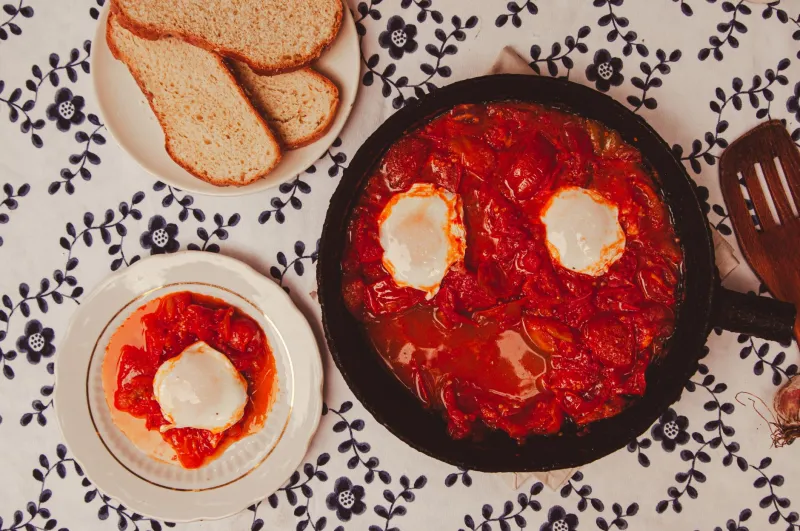
Best used for: Kebabs, lahmacun, shakshuka, spiced lamb dishes, and as a finishing condiment stirred into olive oil for dipping bread. Turkish red pepper flakes (pul biber or Aleppo-style pepper) are the dried, flaked version and they're one of the most versatile spice-drawer additions you can make.
Pro tip for US cooks: Kalustyan's in New York City ships nationwide and carries excellent Turkish paprika products. Middle Eastern grocery stores across the US are also a reliable source and often carry both ground and flake varieties at reasonable prices.
Building a Three-Paprika Spice Cabinet
Here's the practical takeaway for American home cooks: these three paprikas aren't interchangeable, and stocking all three is genuinely useful rather than just collector-ish.
- Hungarian sweet paprika is your everyday workhorse for European-style braises, sauces, and anything where you want warm, fruity depth.
- Spanish smoked paprika is your secret weapon for adding complexity to simple dishes — eggs, roasted potatoes, grilled meats — without adding actual smoke or fire.
- Turkish paprika or pul biber is your finishing touch, a heat-forward, savory flourish that works as a condiment as much as a cooking spice.
Once you start treating paprika as a category rather than a single product, your cooking shifts. Dishes that used to taste flat start tasting intentional. That jar in your cabinet stops being a garnish and starts being a foundation.
And honestly? That's what Paprika 53 is all about.